In a promising advancement for neurodegenerative disease research, Indian scientists have pioneered a multifunctional nanoparticle therapy that tackles Alzheimer’s disease from multiple angles simultaneously. The study, recently published in the prestigious international journal Small, demonstrates a significant leap in preclinical outcomes, with neuronal cell survival rates soaring to nearly 90%.
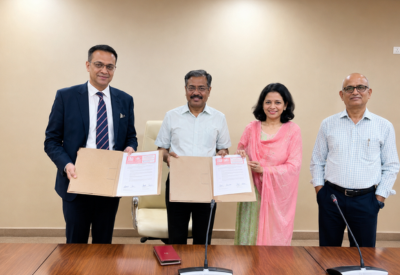
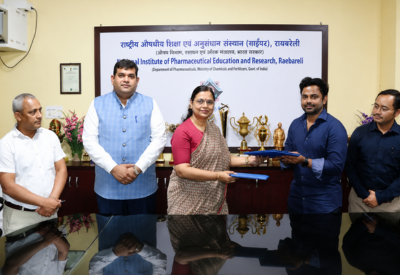
The collaborative effort, primarily driven by Dr. Jiban Jyoti Panda’s team at the Institute of Nano Science and Technology (INST) in Mohali, received key support from Dr. Ashok Kumar Datusalia at the National Institute of Pharmaceutical Education and Research (NIPER) in Raebareli and Dr. Nisha Singh, Assistant Professor of Bioinformatics at Gujarat Biotechnology University (GBU).
At the heart of the innovation are EGCG-dopamine-tryptophan nanoparticles (EDTNPs), engineered using biocompatible methods such as pressure-assisted hydrothermal and electrostatic co-incubation techniques. These nanoparticles integrate epigallocatechin-3-gallate (EGCG) a potent antioxidant from green tea—with dopamine (a neurotransmitter linked to mood regulation) and tryptophan (an essential amino acid vital for cellular functions).
Unlike traditional Alzheimer’s treatments that focus on just one pathological feature—like amyloid-beta aggregation or oxidative stress this therapy uniquely combines antioxidant, anti-amyloid, and neurotrophic actions. It simultaneously combats toxic protein buildup, neuronal damage, inflammation, oxidative stress, and promotes brain repair. In lab models, the nanoparticles latched onto harmful amyloid-beta fibrils, dismantling them at the molecular level, as confirmed by computer simulations.
Preclinical evaluations revealed striking results: Damaged brain cell survival jumped from around 40-50% to nearly 90%, accompanied by notable improvements in memory and behavioral assessments. Some variants were further functionalized with brain-derived neurotrophic factor (BDNF), yielding enhanced neuroprotective effects.
Dr. Nisha Singh’s contributions at GBU were pivotal in the computational domain, involving molecular simulations and bioinformatics analysis to validate nanoparticle interactions with amyloid plaques.
This research addresses the limitations of current therapies, which often yield modest benefits due to Alzheimer’s multifaceted nature. By offering a holistic, multi-target intervention, the EDTNPs could pave the way for more comprehensive treatments, potentially slowing disease progression and improving cognitive functions.
As Alzheimer’s continues to affect millions globally, with no definitive cure yet, such indigenous innovations highlight India’s growing prowess in biotechnology and nanomedicine. The findings, announced in mid-December 2025, underscore collaborative synergies across institutions and signal potential for future clinical translations.