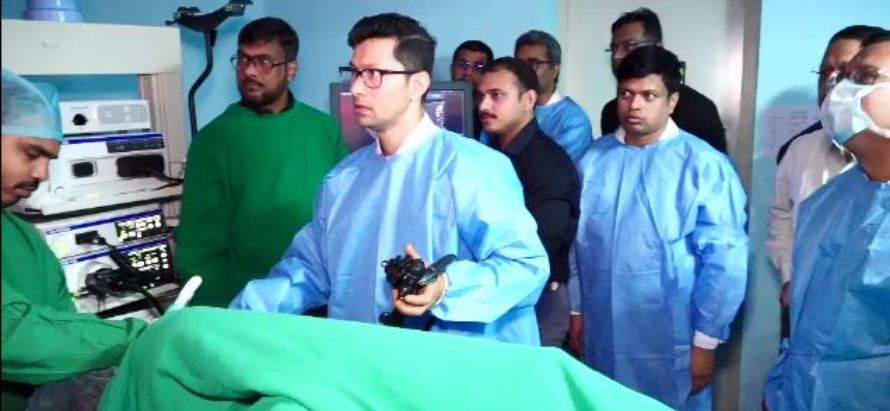
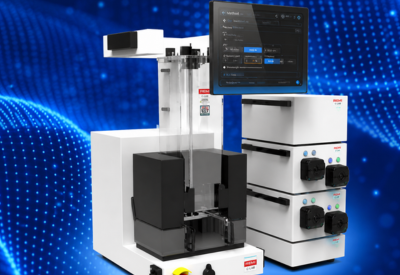
KIMS Hospital Bhubaneswar has marked a significant milestone by deploying the Aplio i800 EUS the country’s inaugural installation of this state-of-the-art endoscopic ultrasonography system. This advanced platform integrates high-resolution ultrasound with endoscopy, delivering unparalleled imaging of internal organs, particularly in the gastrointestinal tract and pancreas.
The Aplio i800 EUS excels in early malignancy detection, guiding fine-needle biopsies, and facilitating single-session diagnosis and intervention reducing patient burden and improving outcomes for complex hepatobiliary-pancreatic conditions. Globally recognized for deeper penetration, high-resolution clarity, and features like Shear Wave Elastography (for tissue stiffness mapping), it represents a leap in minimally invasive diagnostics.
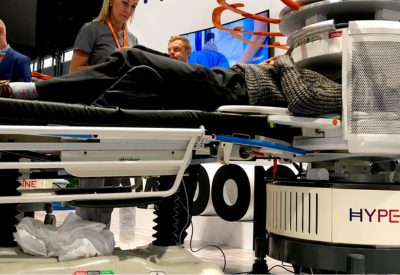
To highlight the technology, KIMS’s Department of Gastroenterology hosted a national-level hands-on workshop, featuring live procedures and expert sessions. Attended by top doctors from across India and Odisha, the event focused on practical training and successful trials.
This introduction aligns with KIMS founder’s vision, Prof. Dr. Achyuta Samanta, to bridge global standards with local accessibility making sophisticated tools available for timely interventions in gastrointestinal and pancreatic cancers.