The Central Drugs Standard Control Organisation (CDSCO) has brought much-needed regulatory clarity to the oncology medical devices segment by publishing the final risk classification list. Notified under sub-rule (3) of Rule 4 of the Medical Devices Rules, 2017, this follows a draft released earlier in January 2025 and stakeholder consultations.
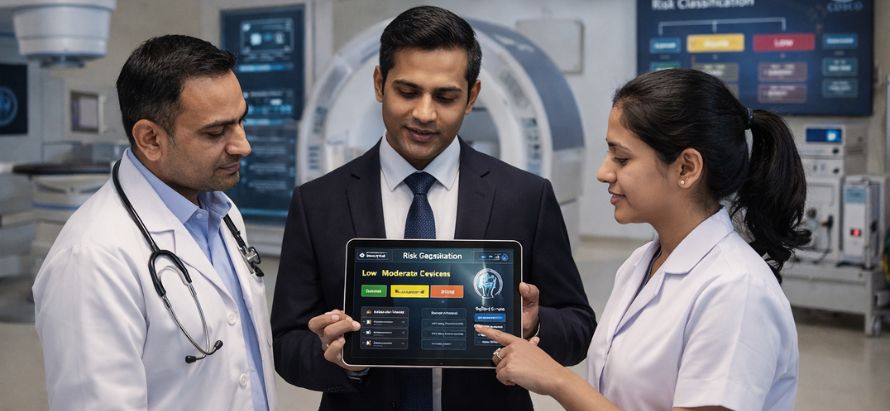
India adopts a risk-based classification system aligned with global standards (formerly GHTF/IMDRF), dividing devices into four classes:
Class A: Low risk (non-invasive, basic consumables).
Class B: Low-moderate risk (diagnostic/supportive tools).
Class C: Moderate-high risk (active therapeutics, implantables, software).
Class D: High risk (life-sustaining/high-intensity therapies).
The oncology list encompasses 77 devices, with intended uses provided as guidance manufacturers may define their own per provisions.
Breakdown by Risk Class (Key Examples):
Class A (Low Risk): Basic surgical consumables and external applicators, e.g., single-use cervical cytology scrapers, cervical cone knives, extracorporeal hyperthermia system applicators.
Class B (Low-Moderate Risk): Diagnostic and supportive devices, e.g., breast transilluminators, flexible video bronchoscopes, scalp cooling systems (to prevent chemotherapy-induced alopecia), balloon kyphoplasty kits.
Class C (Moderate-High Risk): Majority of advanced oncology tech, including:
Software as a Medical Device (SaMD): Computer vision/ML-aided cancer detection software.
Ablation systems: Microwave, cryoablation, electroporation therapy.
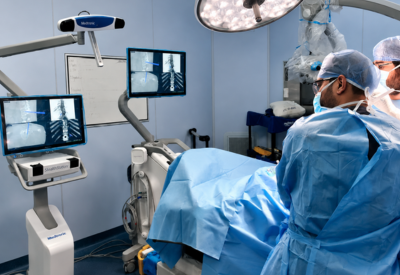
Robotic guidance platforms.
Linear accelerator quality assurance devices.
Implantables: Vascular ports/catheters, polymer-metal oesophageal stents.
Class D (High Risk): Critical therapeutic systems, e.g., stereotactic radiosurgery for CNS tumors, alternating electric field antimitotic treatments (e.g., for glioblastoma), brachytherapy source spacers, embolization particles.
The list is explicitly dynamic, subject to periodic revisions reflecting technological evolution and clinical insights.
Implications for Industry:
Reduced Ambiguity: Clear classifications expedite licensing/import approvals, especially for innovators in AI-driven diagnostics and minimally invasive therapies.
Enhanced Safety: Proportionate oversight stricter for higher-risk devices.
Boost to Domestic Manufacturing: Aligns with ‘Make in India’ by encouraging local production of previously unregulated oncology tools.
Global Alignment: Facilitates exports and international registrations.
Dr. Rajeev Singh Raghuvanshi, DCG(I), signed the notice, emphasizing evidence-based regulation.
This finalization follows similar lists for interventional radiology, radiotherapy, and other specialties, reinforcing CDSCO’s systematic approach to MedTech governance