Oath Surgical, a Bengaluru-based pioneer in intelligent surgical technologies, has officially launched its AI-native surgical centers next-generation operating rooms that embed powerful artificial intelligence directly into the surgical workflow. The announcement, made on January 23, 2026, introduces a transformative model where AI actively perceives, reasons, and assists in real time, moving beyond traditional robotic assistance to create truly “thinking” surgical environments.
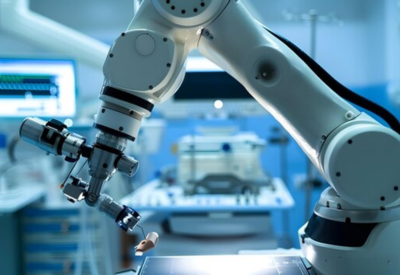
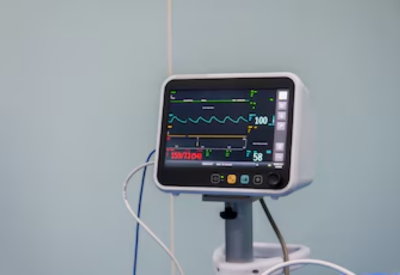
At the core of these centers is a high-performance edge computing architecture powered by NVIDIA’s GPUs and specialised AI software stack, including real-time inference engines and generative models fine-tuned for surgical contexts. The system ingests multimodal inputs 4K/8K endoscopic and overhead camera feeds, robotic instrument telemetry, patient vital signs, and pre-operative imaging to deliver continuous intelligence during procedures. Key capabilities include real-time tissue segmentation, anatomical landmark detection, predictive alerts for bleeding or nerve proximity risks, automated instrument positioning suggestions, and context-aware workflow guidance all presented to the surgeon in an intuitive, non-disruptive interface.
Unlike conventional robotic systems that primarily assist with mechanical precision, Oath’s AI-native approach enables proactive support: the system anticipates needs, flags deviations from optimal plans, and adapts dynamically to intraoperative changes. Surgeons remain firmly in control, with AI recommendations fully explainable and overrideable at any time. Early pilot deployments in select Bengaluru and Hyderabad hospitals have shown compelling results: 15–25% reduction in operative times for complex procedures, decreased intraoperative blood loss, fewer complications, and improved precision in tumour resections and reconstructions.
Dr. Arjun Reddy, Founder & CEO of Oath Surgical, emphasised the vision: “Surgery is the last major domain where human skill still dominates but AI can elevate that skill to superhuman levels. Our AI-native centers don’t replace surgeons; they empower them with perception and foresight that see beyond what the human eye can catch, making every procedure safer and more effective.”
The partnership with NVIDIA provides the critical computational foundation: low-latency edge inference, high-throughput video processing, and secure handling of sensitive intraoperative data. NVIDIA’s Clara platform and Holoscan SDK have been customised to support Oath’s surgical intelligence stack, enabling seamless integration with existing robotic systems including da Vinci, CMR Versius, and emerging indigenous platforms.
Oath Surgical plans to scale rapidly, targeting 50+ AI-native surgical centers across India by 2028, beginning in major metros and progressively expanding into tier-2 cities. The company is also pursuing international partnerships to adapt the model for global markets, with a focus on high-complexity specialties where precision and real-time insight deliver the greatest impact.
The launch reflects a broader industry shift: from robotic assistance to fully intelligent, context-aware operating theatres. As surgical volumes rise and complexity increases, technologies that augment surgeon capability while maintaining human oversight are expected to become standard in advanced care settings.