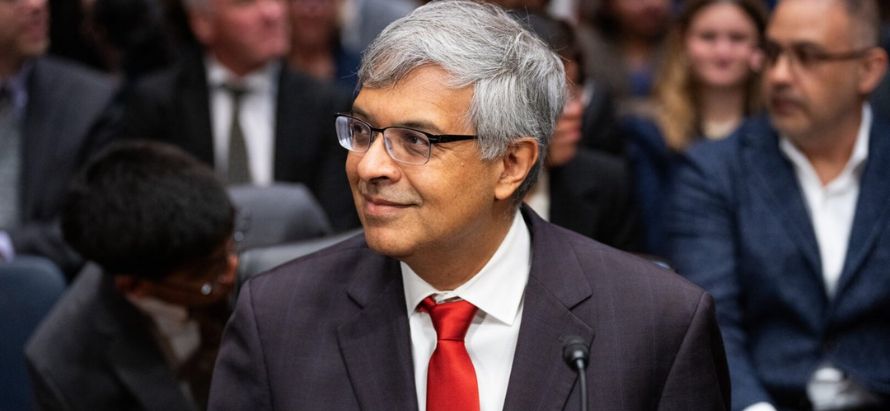
Dr. Jay Bhattacharya, Director of the National Institutes of Health (NIH), has been appointed acting Director of the Centers for Disease Control and Prevention (CDC), according to multiple reports. The dual-role assignment signals a significant restructuring at the top of U.S. public health agencies under the incoming administration, combining NIH and CDC oversight in one figure known for his contrarian views on pandemic policy and emphasis on evidence-based decision-making.
Glimpse:
Dr. Bhattacharya, a Stanford professor and co-author of the Great Barrington Declaration, will serve as acting CDC chief while continuing as NIH Director. The move follows his recent confirmation as NIH head and reflects a push to streamline federal health leadership, prioritize data transparency, and refocus agencies on core scientific missions. Reports indicate the arrangement is temporary pending a permanent CDC nominee, but it has already sparked debate over potential policy shifts in infectious disease response, vaccine guidance, and public health communication.
Multiple U.S. media outlets are reporting that Dr. Jay Bhattacharya, recently confirmed as Director of the National Institutes of Health (NIH), will also take on the role of acting Director of the Centers for Disease Control and Prevention (CDC). The unprecedented dual leadership assignment comes amid a broader transition at federal health agencies following the change in administration.
Dr. Bhattacharya, a physician, epidemiologist, and health economist, has been a prominent voice advocating for focused protection strategies during the COVID-19 pandemic and greater scrutiny of lockdown impacts. As NIH Director, he has emphasized returning the agency to its core mission of basic and translational research while reducing perceived ideological influence on science. Taking on the acting CDC role positions him to influence both biomedical research funding and the nation’s primary public health response agency.
The move is described as interim until a permanent CDC Director is nominated and confirmed. Sources indicate it aims to ensure continuity, align priorities between research and public health implementation, and send a clear signal of centralized leadership on science-driven policy. Key areas likely to see early attention include:
Reevaluation of infectious disease guidance greater emphasis on data transparency and risk-benefit analysis Vaccine policy review focus on long-term safety monitoring and communication Pandemic preparedness renewed investment in early surveillance and targeted interventions Agency culture & morale efforts to rebuild trust among scientists and the public
The announcement has drawn mixed reactions. Supporters praise Bhattacharya’s independence and willingness to challenge consensus views, while critics express concern over his past positions on school closures, lockdowns, and natural immunity fearing potential shifts in CDC messaging on vaccines, masking, or outbreak response.
The dual role is expected to be temporary, but it underscores a deliberate effort to reshape federal health agencies under the new administration.