The U.S. Food and Drug Administration (FDA) has granted approval to Novocure’s Optune Pax, a wearable Tumor Treating Fields (TTFields) device, for use in adult patients with unresectable or metastatic pancreatic cancer. This marks the first new treatment modality approved for pancreatic adenocarcinoma in over a decade and the second indication for TTFields therapy in solid tumors, offering a non-invasive option that delivers low-intensity electric fields to disrupt cancer cell division and slow tumor growth.
Glimpse:
Optune Pax is a portable, patient-operated device worn on the torso that continuously delivers Tumor Treating Fields to the pancreatic region, interfering with cancer cell mitosis without systemic toxicity. The FDA approval is based on positive data from the Phase 3 PANOVA-3 trial, which demonstrated a statistically significant improvement in overall survival when TTFields were added to standard chemotherapy compared to chemotherapy alone. The device is now available for eligible patients in the U.S., with Novocure expanding access programs, clinician training, and payer engagement to support adoption.
The U.S. Food and Drug Administration (FDA) has approved Novocure’s Optune Pax, a wearable Tumor Treating Fields (TTFields) device, for the treatment of adult patients with unresectable or metastatic pancreatic adenocarcinoma. The approval, granted on February 27, 2026, follows a priority review and is based on compelling results from the pivotal Phase 3 PANOVA-3 trial, which enrolled patients with newly diagnosed locally advanced or metastatic pancreatic cancer. In the randomized study, adding TTFields to standard gemcitabine-based chemotherapy resulted in a statistically significant and clinically meaningful improvement in overall survival compared to chemotherapy alone, with a manageable safety profile consistent with previous TTFields studies.
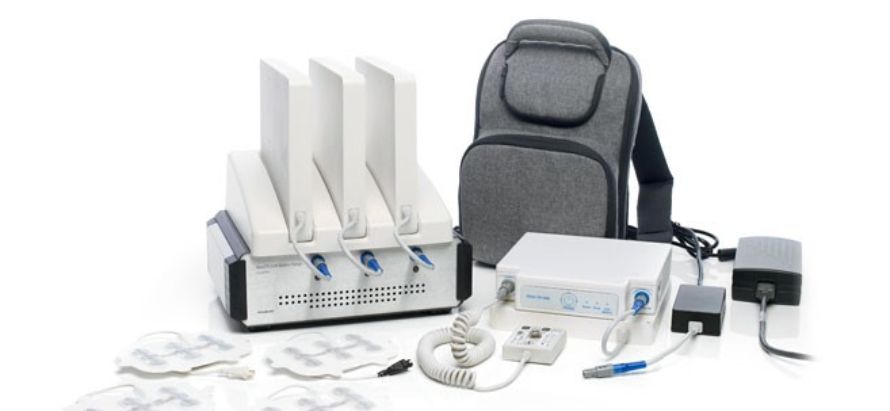
Optune Pax is the second TTFields device approved by the FDA for solid tumors, following the earlier approval of Optune Gio for glioblastoma. The system consists of lightweight, portable arrays that patients apply to the torso and connect to a small, battery-powered generator worn in a backpack or shoulder bag. The device delivers low-intensity, intermediate-frequency alternating electric fields that disrupt cancer cell division by interfering with the assembly of the mitotic spindle and other cellular processes critical to tumor growth. Treatment is intended to be used continuously for at least 18 hours per day, allowing patients to maintain daily activities with minimal disruption.
Novocure CEO Asaf Danziger described the approval as a major milestone for patients with one of the most aggressive and treatment-resistant cancers, noting that pancreatic cancer has seen limited therapeutic advances in recent decades. The company highlighted that Optune Pax offers a non-systemic, non-invasive option that can be combined with standard chemotherapy without adding significant toxicity, providing hope for improved survival in a disease with historically poor prognosis. Novocure has already initiated commercial preparations, including clinician training programs, payer advocacy, and patient support services to facilitate rapid access following approval.
The PANOVA-3 trial results, presented at major oncology conferences and published in a leading journal, showed a median overall survival improvement of several months in the TTFields arm, with consistent benefits across key subgroups. Safety data indicated that the most common adverse events were mild-to-moderate skin reactions under the arrays, which were manageable with standard dermatologic care. No significant increase in systemic toxicities was observed compared to chemotherapy alone.
The approval expands Novocure’s TTFields portfolio and reinforces the growing role of electric field therapy in solid tumor treatment. Novocure plans to work closely with U.S. oncologists, pancreatic cancer advocacy groups, and payers to ensure broad awareness and reimbursement coverage, while continuing global trials to explore TTFields in additional indications. The launch of Optune Pax is expected to begin immediately in the U.S., with international regulatory submissions planned in key markets over the coming months.