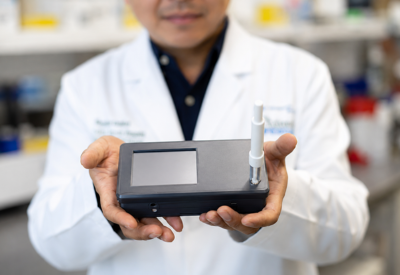
Researchers at IIT Jodhpur have engineered a breakthrough in flexible semiconductor based wearable sensors capable of continuous, non-invasive monitoring of vital physiological parameters. The ultra thin, skin conformable devices track heart rate, respiratory rate, oxygen saturation, body temperature, and sweat biomarkers in real time, feeding data into AI models for early detection of cardiovascular issues, respiratory disorders, dehydration, and metabolic imbalances offering a low cost, scalable solution for preventive healthcare in India.
Glimpse:
Unveiled on January 28, 2026, the flexible wearable uses novel 2D semiconductor materials (e.g., graphene hybrids and transition metal dichalcogenides) integrated with stretchable substrates and low-power electronics. It achieves high sensitivity, mechanical durability (over 10,000 bending cycles), and battery life of 7+ days. Integrated AI algorithms analyse multi-parameter data to generate personalised risk alerts and predictive insights. The technology is now entering pre-clinical validation and is expected to reach pilot deployments in community health settings by 2027.
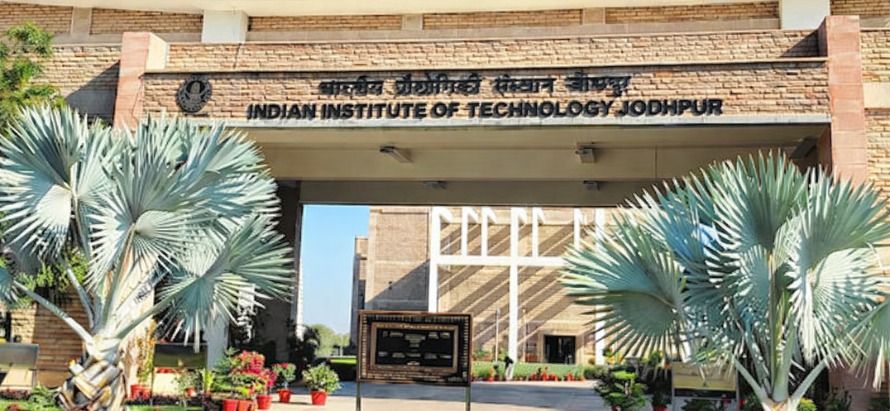
A research team led by faculty at the Indian Institute of Technology Jodhpur (IIT Jodhpur) has developed a new class of flexible, semiconductor based wearable sensors that promise to transform real time health monitoring and early disease detection in resource constrained environments. The innovation, detailed in a January 28, 2026 publication and prototype demonstration, addresses key limitations of current wearables: bulkiness, limited biomarker detection, poor skin conformability, and high cost.
The device is fabricated using advanced 2D materials (graphene, MoS₂, WS₂) combined with stretchable polymers and biocompatible substrates, allowing it to conform seamlessly to the skin like a temporary tattoo or thin patch. Embedded micro-sensors continuously capture:
- Cardiovascular signals (heart rate variability, pulse wave velocity)
- Respiratory patterns (rate, depth, effort)
- Oxygen saturation (SpO₂)
- Core and skin temperature
- Sweat-based biomarkers (pH, lactate, glucose, electrolytes)
Low-power electronics and edge AI process the multi modal data in real time, detecting anomalies such as arrhythmias, hypoventilation, dehydration, or early metabolic stress. Cloud linked models provide deeper predictive analytics (e.g., risk of heart failure exacerbation, diabetic crisis, or heatstroke) and personalised alerts to users and caregivers.
Key advantages over existing wearables:
- Ultra-thin (<100 μm) and highly flexible (withstands >10,000 bending cycles)
- Battery life of 7–10 days on a single charge
- Multi-biomarker sensing without invasive sampling
- Cost-effective materials and scalable fabrication processes suitable for mass production in India
- Integration with ABDM/ABHA for secure data sharing with physicians
The IIT Jodhpur team has filed multiple patents and is collaborating with medical institutions for clinical validation. Early bench and on body testing has shown >95% accuracy in vital sign tracking compared to gold standard devices, with promising results in detecting subclinical changes days before clinical symptoms appear.
Lead Researcher from IIT Jodhpur said: “Most wearables today are fitness trackers. Our flexible semiconductor platform turns the skin into a continuous health sensor capturing subtle signals that allow early intervention before diseases become severe. This is especially powerful for India, where preventive monitoring can save millions from hospitalisation.”
The technology is now moving into pre-clinical human trials, with plans for pilot deployments in rural health centres, corporate wellness programmes, and elderly care settings. Commercialisation is targeted for 2027–2028 through industry partnerships and government-supported manufacturing initiatives.