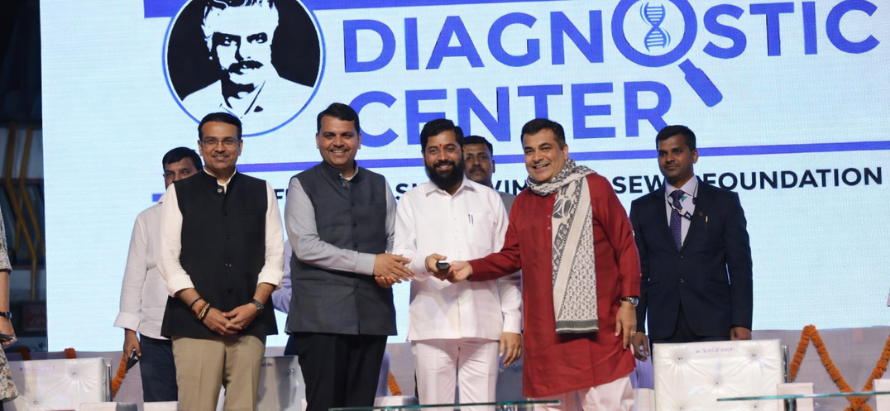
Nagpur Municipal Corporation (NMC), in partnership with the Maharashtra government and local medical colleges, is launching a state of the art low cost diagnostic hub that will offer essential pathology, radiology, and basic imaging services at 50–70% lower rates than private labs. The facility aims to serve low-income families, reduce out of pocket expenditure, and strengthen early detection of common diseases (diabetes, hypertension, TB, anaemia) in one of Maharashtra’s largest cities.
Glimpse:
The Nagpur Low-Cost Diagnostic Hub, set to open in phases starting March 2026, will provide affordable blood tests, X-rays, ultrasound, ECG, and basic CT/MRI scans under one roof at government-subsidised rates (₹50–500 per test). Integrated with Ayushman Bharat and ABDM, it will link results directly to ABHA records and enable seamless referrals to public hospitals. The hub is expected to serve 1,000–2,000 patients daily and reduce diagnostic costs for over 5 lakh residents annually in urban slums and low-income areas.
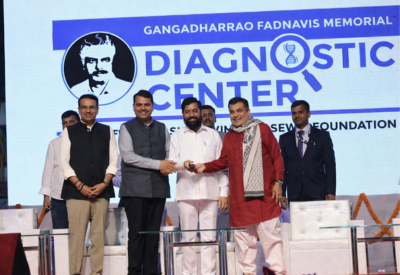
In a landmark move to make quality diagnostics affordable and accessible, the Nagpur Municipal Corporation (NMC) is set to launch a dedicated Low Cost Diagnostic Hub in the heart of the city. The announcement, made by civic and health officials on January 28, 2026, comes as part of Maharashtra’s broader push to reduce out of pocket healthcare expenses and strengthen secondary/tertiary care infrastructure in urban centres.
The hub will be housed in a renovated municipal building near the main government medical college and hospital complex, offering a comprehensive range of services at nominal rates:
- Routine blood investigations (CBC, sugar, lipid profile, kidney/liver function) — ₹50–150
- Basic X-rays and ultrasound scans — ₹100–300
- ECG, 2D Echo, and treadmill tests — ₹200–500
- Limited advanced imaging (CT/MRI) at subsidised rates through tie-ups
- All services linked to ABHA for digital record portability and Ayushman Bharat cashless coverage
The facility will operate on a no profit, high volume model with government subsidies, PPP support for equipment maintenance, and integration with NMC’s urban primary health centres for referrals. It is expected to handle 1,000–2,000 patients per day, targeting low income families, slum residents, daily wage workers, and senior citizens who currently rely on expensive private labs or delay testing due to cost.
Nagpur Municipal Commissioner said: “Diagnostics are the foundation of treatment, yet cost remains the biggest barrier for lakhs of families in Nagpur. This low cost hub will ensure no one skips a test because of money early detection will save lives and reduce the burden on our hospitals.”
The project is being executed in phases: Phase 1 (March–June 2026) will launch pathology and basic radiology services; Phase 2 will add advanced imaging and specialist reporting. The hub will also serve as a training centre for medical college students and paramedics, aligning with NMC’s mandate to improve clinical education and public health outcomes.
Health experts and patient advocacy groups have hailed the initiative as a model that other municipal corporations and tier-2 cities can replicate to address diagnostic inequity and support the national goal of reducing catastrophic health expenditure.