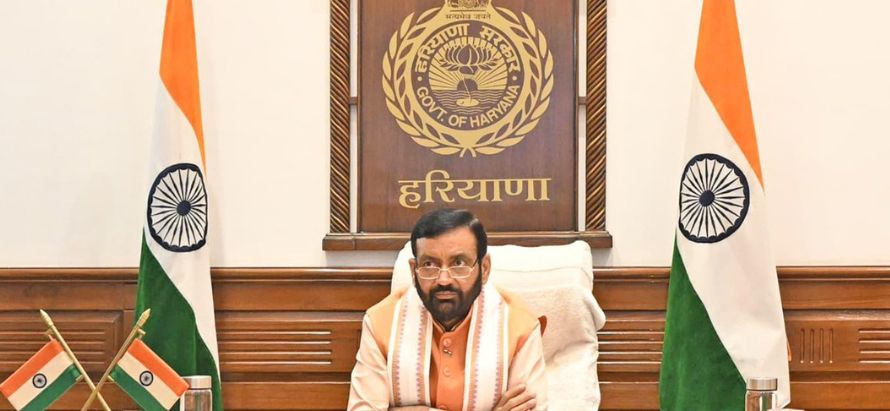
Haryana Chief Minister Nayab Singh Saini directed all government hospitals to implement a centralised digital portal for real-time tracking of medicine stocks. The move aims to ensure uninterrupted availability of drugs, reduce out-of-pocket expenses for patients, and enforce strict accountability on doctors and officials.
Glimpse:
Chairing a high-level review meeting, CM Saini mandated that doctors must check medicine availability through the portal before prescribing and clearly note on OPD slips if any drug is unavailable in the hospital. The directive includes timely procurement reforms, with suppliers to be empanelled annually and requirements communicated at least four days in advance, as part of broader efforts to strengthen public healthcare services.
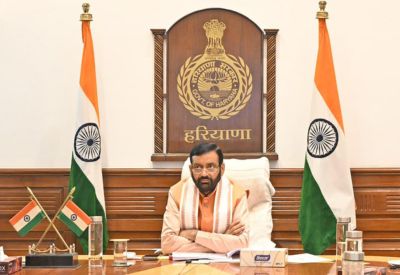
Haryana has taken a decisive step to strengthen medicine availability in its public healthcare system. Chief Minister Nayab Singh Saini chaired a comprehensive review meeting on healthcare services and instructed all government hospitals across the state to maintain medicine records on a real-time centralised digital portal. This initiative will allow doctors and hospital staff to instantly check stock levels, helping prevent situations where patients are forced to buy medicines from outside pharmacies.
The Chief Minister made it clear that shortages of essential drugs will not be tolerated at any level. He emphasised the need for a robust monitoring mechanism that ensures timely replenishment of stocks. To promote transparency, doctors have been told that if they prescribe medicines not available in the hospital, they must explicitly mention the unavailability on the OPD slip. Chief Medical Officers have been made accountable for strictly enforcing these guidelines and ensuring patients do not face inconvenience.
Alongside the tracking system, the government is streamlining the procurement process. Hospitals will empanel suppliers on an annual basis and must communicate their medicine requirements at least four days in advance to avoid delays. The review meeting also covered other critical aspects of hospital functioning, including OPD management, staffing, equipment availability, and overall quality of patient care. Officials were directed to continuously monitor services and make necessary improvements.
This directive forms part of Haryana’s ongoing push toward digitising healthcare delivery and reducing inefficiencies in government facilities. The state is simultaneously working on expanding advanced diagnostic services such as CT scans and MRI machines to more districts, aiming to minimise the need for patients to travel long distances for basic tests. Several districts have already been equipped, with plans to cover the remaining areas soon.
By introducing real-time visibility into medicine inventories, the Haryana government hopes to cut down on unnecessary out-of-pocket spending by patients and build greater trust in the public health system. The measures are expected to bring more efficiency, accountability, and patient-centric focus to government hospitals.