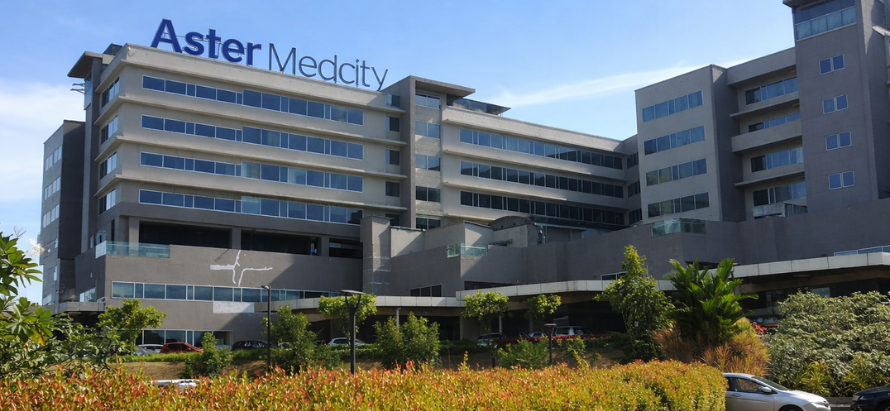
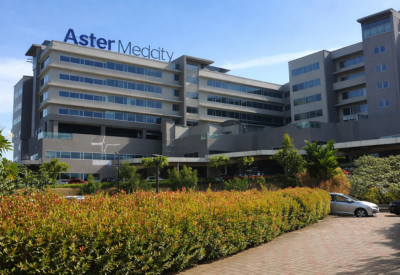
Aster Medcity in Kochi, Kerala, has become the first hospital in India to launch Adaptive Deep Brain Stimulation (aDBS), a next-generation “smart” technology for treating advanced Parkinson’s disease. Unlike conventional DBS that delivers fixed stimulation, the new system continuously monitors brain signals and automatically adjusts therapy in real time, acting like a “brain thermostat” for more personalized and responsive care.
Glimpse:
Launched at Aster Medcity’s Parkinson’s and Movement Disorders Centre, the adaptive DBS system senses real time neural activity related to symptoms such as tremors, stiffness, and slowed movement. It automatically modulates electrical stimulation within clinician set parameters increasing output when symptoms worsen and reducing it during improvement or sleep offering better symptom control and quality of life with fewer manual adjustments.
Aster Medcity in Kochi has achieved a significant milestone by introducing India’s first Adaptive Deep Brain Stimulation (aDBS) system for patients with advanced Parkinson’s disease. The technology marks a major upgrade from traditional deep brain stimulation, which provides constant, fixed electrical impulses programmed during clinic visits. The new adaptive version brings real time intelligence to therapy, making treatment more responsive to each patient’s changing neurological state.
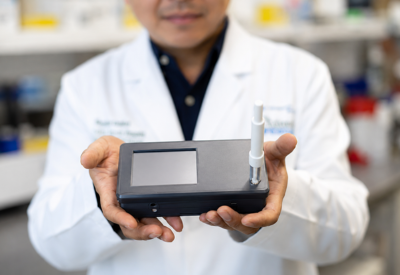
The adaptive DBS device works by continuously sensing brain signals associated with Parkinson’s symptoms and automatically adjusting stimulation levels accordingly. It operates safely within limits set by clinicians and functions like a “brain thermostat” ramping up stimulation when tremors or stiffness increase, and dialing it down when symptoms ease or during rest and sleep. This closed-loop approach aims to deliver more precise, personalized care while reducing side effects often linked to constant stimulation.
Deep brain stimulation therapy involves implanting a device that sends low intensity electrical pulses to targeted areas deep in the brain to regulate abnormal neural activity. It is primarily used for patients whose symptoms like tremors, muscle rigidity, and slowed movements are not well controlled by medication alone. Globally, conventional DBS has already benefited over 200,000 patients worldwide by improving movement control and overall quality of life.
The launch at Aster Medcity’s dedicated Parkinson’s and Movement Disorders Centre is expected to set a new benchmark for precision neurological care in India. This innovation offers hope to many patients struggling with fluctuating symptoms, potentially leading to better daily functioning and reduced dependency on frequent programming sessions.