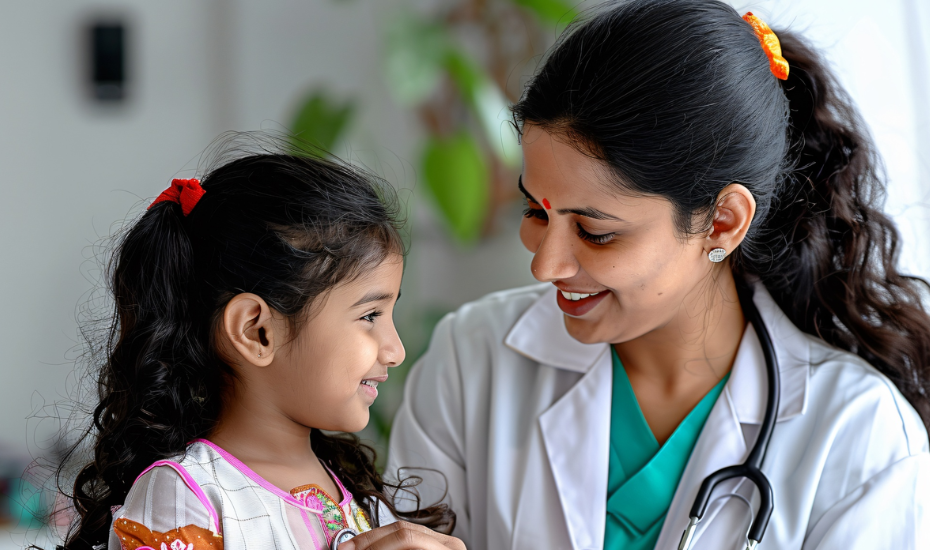
India is advancing child healthcare delivery with the introduction of Digital Health Cards Under The Revamped Rashtriya Bal Swasthya Karyakram (RBSK) 2.0, aimed at improving early detection and continuous monitoring of health conditions among children.
The initiative digitizes health records of children screened under RBSK, enabling Real Time Tracking Of Medical History, Diagnoses, and Treatments. These digital cards are expected to streamline healthcare delivery by ensuring that accurate patient data is easily accessible to healthcare providers across facilities.
Under RBSK 2.0, the focus is on identifying and managing the “4Ds” Defects At Birth, Diseases, Deficiencies, and Developmental Delays, which affect millions of children in India. The introduction of digital health cards enhances the program’s ability to Track Interventions, Ensure Timely Follow ups, and Improve Outcomes.
The digital system is designed to integrate with broader national digital health initiatives, enabling Seamless Data Sharing And continuity Of Care across different levels of the healthcare system. This is particularly beneficial for children in rural and underserved areas, where maintaining consistent medical records has traditionally been a challenge.
Health officials emphasized that the move will improve Efficiency, Transparency, and Accountability in child healthcare services while supporting better policy planning through data driven insights. It also reduces paperwork and administrative burden on frontline health workers.
Health officials emphasized that the move will improve Efficiency, Transparency, and Accountability in child healthcare services while supporting better policy planning through data driven insights. It also reduces paperwork and administrative burden on frontline health workers.