Healthium MedTech has partnered with the Government Institute of Medical Sciences (GIMS), Greater Noida, to significantly strengthen advanced paediatric orthopaedic surgery capabilities in western Uttar Pradesh. The initiative, supported through Healthium’s Corporate Social Responsibility (CSR) programme and implemented in collaboration with Plan International India Chapter, is expected to benefit more than 1,000 children every year.
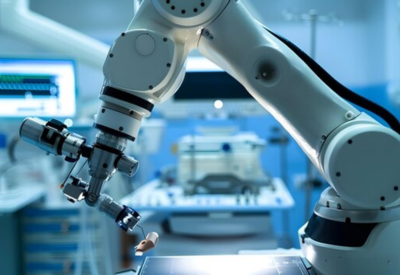
According to multiple verified reports, GIMS is now equipped to perform specialised surgeries for children suffering from developmental dysplasia of the hip (DDH), clubfoot, limb deformities, fractures, and other complex bone disorders. The hospital has received advanced surgical infrastructure including the Midas Rex MR8 High Speed Electric Drill System, paediatric hip plating sets, specialised drill and saw systems, orthopaedic instrument sets, and a C-Arm imaging machine.
Healthcare experts noted that paediatric orthopaedic conditions affect nearly 1–2% of children in India, but limited access to specialised care often delays treatment, particularly in states like Uttar Pradesh. Delayed treatment can increase the risk of disability, long term complications, and higher medical costs. The upgraded GIMS infrastructure is expected to reduce referrals to distant hospitals and allow children to receive timely treatment closer to home.
Dr. G.N. Singh, Adviser to the Chief Minister of Uttar Pradesh, described the initiative as an important step toward equitable healthcare access for children. GIMS Director General Dr. (Brig.) Rakesh Kumar Gupta stated that the advanced equipment would enable the institution to perform complex paediatric orthopaedic procedures with greater precision and safety.
Healthium MedTech CEO and Managing Director Anish Bafna emphasized that the company’s focus is not only on innovation but also on improving healthcare accessibility and clinical outcomes. Plan International India also highlighted that the collaboration aims to remove financial and geographical barriers preventing vulnerable children from accessing specialised orthopaedic care.
Industry observers view the project as an example of how public private healthcare partnerships can strengthen specialised treatment infrastructure in government hospitals. The initiative also aligns with India’s broader efforts to improve child healthcare outcomes and expand advanced medical services to underserved regions.