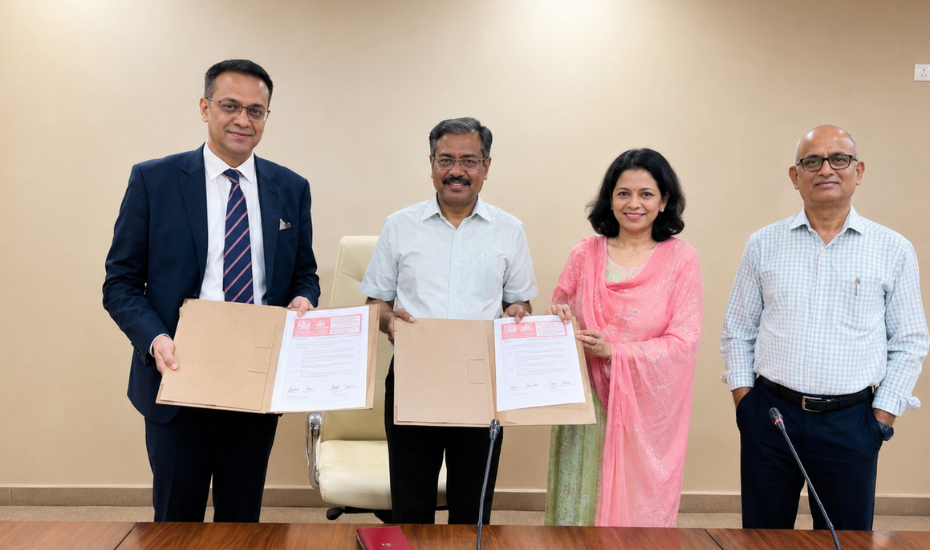
Sanofi India and the National Health Mission Madhya Pradesh (NHM MP) have signed a strategic Memorandum of Understanding (MoU) aimed at strengthening healthcare services related to non-communicable diseases (NCDs), diabetes management, and rare disease care across Madhya Pradesh. Multiple healthcare and pharmaceutical reports confirmed that the partnership focuses on improving healthcare accessibility, early disease detection, and preventive care in underserved regions of the state.
The agreement was officially signed by Dr. Saloni Sidana, Mission Director of NHM Madhya Pradesh, and Deepak Arora, Managing Director of Sanofi India. The collaboration will support public healthcare initiatives through awareness campaigns, screening programs, healthcare workforce training, and mobile medical outreach services.
A major focus area of the initiative is the early detection and management of rare diseases. Reports indicate that the partnership will help strengthen diagnostic infrastructure, deploy advanced screening technologies, and organize free screening programs for selected rare diseases at designated healthcare centers. Training programs will also be conducted for doctors, nurses, paramedical staff, and community health workers to improve diagnosis and patient management capabilities.
The collaboration additionally targets the growing burden of diabetes and other non-communicable diseases in India. Under the initiative, statewide awareness drives, early risk identification programs, referral support systems, and technical assistance for patient management will be expanded. Healthcare experts note that India continues to face a sharp rise in lifestyle related diseases such as diabetes, hypertension, and cardiovascular disorders, making preventive healthcare increasingly important.
As part of the public health outreach strategy, Mobile Medical Units (MMUs) will initially be deployed in the districts of Singrauli, Balaghat, and Anuppur. These mobile units will provide free diagnostics, treatment services, and teleconsultation support for conditions including diabetes, hypertension, and oral cancer. Officials stated that the service may later expand to additional districts depending on healthcare needs.
The partnership also includes a school health initiative through the “Kids and Diabetes in Schools (KiDS)” programme. The programme aims to educate students, teachers, and parents about healthy lifestyles, nutrition, disease prevention, and long term preventive healthcare awareness. Experts believe school level health education can play a critical role in reducing future NCD burden across India.
Industry observers say the collaboration reflects a broader trend of public private partnerships in India’s healthcare sector, where pharmaceutical companies and government agencies are increasingly working together to improve preventive healthcare, rural outreach, and specialized disease management infrastructure.