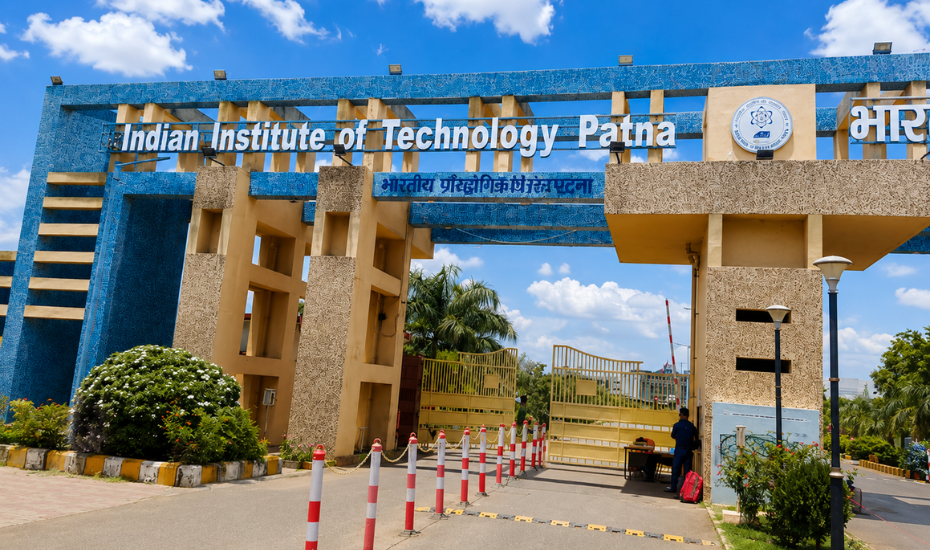
Researchers at Indian Institute of Technology Patna have developed an AI-powered wearable device designed to detect early signs of dementia and cognitive decline in elderly individuals. The innovation aims to improve early diagnosis of neurodegenerative disorders such as Alzheimer’s disease through affordable, real time brain monitoring technology.
The research team, led by Rahul Mishra from the Department of Computer Science and Engineering, developed a 19-channel EEG-based wearable helmet equipped with smart sensors, TinyML technology, and embedded artificial intelligence systems. Unlike traditional dementia diagnostic methods such as MRI or PET scans, the wearable device processes neurological data directly on low power hardware, making it more portable and cost effective.
According to researchers, the device continuously analyzes brain activity patterns and cognitive signals in real time to identify subtle neurological changes associated with early-stage dementia. The AI system is designed to detect warning signs before severe symptoms appear, potentially enabling earlier medical intervention and treatment planning.
One of the project’s major technological advancements is its use of TinyML (Tiny Machine Learning), which allows AI algorithms to run efficiently on compact wearable hardware without relying heavily on cloud infrastructure. Experts say this significantly reduces operational costs, memory usage, and energy consumption while improving accessibility in rural and low resource healthcare environments.
Researchers also revealed that the team is simultaneously developing another AI-based system focused on gait analysis for dementia detection. The upcoming technology will study walking patterns, stride length, balance, and movement stability physical indicators that often change during the early stages of neurological disorders.
Experimental trials of the wearable system have reportedly shown promising results, and further validation studies are planned in collaboration with All India Institute of Medical Sciences Patna (AIIMS Patna). Medical experts are expected to evaluate the system’s effectiveness in real world clinical settings before wider healthcare deployment.
Healthcare researchers believe wearable AI technologies could transform dementia screening and neurological healthcare by enabling continuous, non invasive monitoring outside hospitals. Recent global studies also indicate that wearable electronics and deep learning systems may significantly improve early Alzheimer’s detection by tracking behavioral patterns, sleep quality, physical activity, and neurological biomarkers over time.
The innovation reflects India’s broader push toward AI-driven healthcare research and indigenous medical technology development. IIT Patna has recently been linked with several AI initiatives, including proposals for a large AI Centre of Excellence and participation in national AI healthcare programs.
Experts caution, however, that wearable neurological technologies still require large scale clinical validation, regulatory approvals, and long term data privacy safeguards before widespread adoption. Nevertheless, many healthcare observers view such AI-powered wearable systems as a major step toward affordable preventive neurological care in India.