P. D. Hinduja Hospital & Medical Research Centre has introduced the advanced CORI robotic assisted surgical system for knee and hip replacement procedures at its Mahim and Khar facilities in Mumbai, strengthening its push toward precision driven orthopaedic care. The hospital says the new technology is designed to improve surgical accuracy, personalized implant placement, and long term patient outcomes.
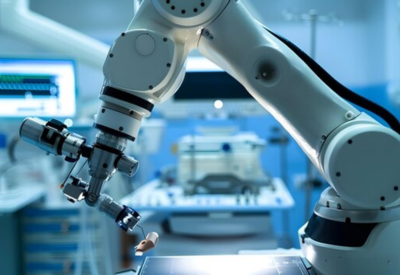
Developed by Smith+Nephew, the CORI Surgical System is a handheld image free robotic platform that assists surgeons during knee and hip replacement surgeries. Unlike many traditional robotic systems that depend on pre-operative CT scans, CORI maps the patient’s anatomy in real time during surgery itself, reducing radiation exposure while enabling more customized surgical planning.
Hospital specialists explained that the robotic system provides surgeons with live intraoperative data and haptic feedback, allowing highly accurate implant positioning and more controlled bone preparation. The technology is intended to preserve healthy bone and surrounding soft tissue while improving joint alignment and stability.
According to the hospital, robotic assisted procedures may help patients experience quicker rehabilitation, reduced post operative discomfort, better mobility, and improved implant longevity compared to conventional joint replacement approaches. The technology is expected to benefit patients suffering from severe arthritis, chronic joint pain, joint instability, and mobility limitations that no longer respond to physiotherapy or medication.
Healthcare experts say robotic orthopaedic surgery is becoming one of the fastest growing segments in advanced surgical care worldwide. Robotic systems are increasingly being adopted because they support millimetre level surgical precision, reduce variability between procedures, and enable highly personalized treatment based on each patient’s anatomy.
India’s robotic orthopaedics market has also been expanding rapidly as hospitals invest in AI-assisted surgery platforms, minimally invasive procedures, and precision healthcare technologies. Several hospital groups across major Indian cities have recently launched robotic knee and hip replacement programmes in response to rising demand from aging populations and increasing arthritis cases.
Public discussions across patient communities and healthcare forums suggest growing awareness and acceptance of robotic assisted joint replacement procedures, particularly because of perceived benefits related to faster recovery, smaller incisions, and improved implant alignment. However, experts continue emphasizing that surgeon expertise and rehabilitation quality remain equally important for successful outcomes.
Dr. Sanjay Agarwala stated that the CORI platform enables surgeons to take a more personalized and precise approach during surgery by providing real time information on implant positioning, alignment, and tissue balance. Hospital CEO Gautam Khanna added that the launch reflects the hospital’s commitment to bringing world class medical innovations to Indian patients.
Industry analysts believe robotic assisted orthopaedic surgery could significantly improve joint replacement outcomes in India over the next decade. However, they also note that affordability, infrastructure costs, and access beyond metro cities remain key challenges for widespread adoption of advanced surgical robotics.