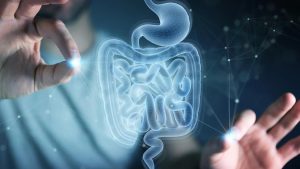
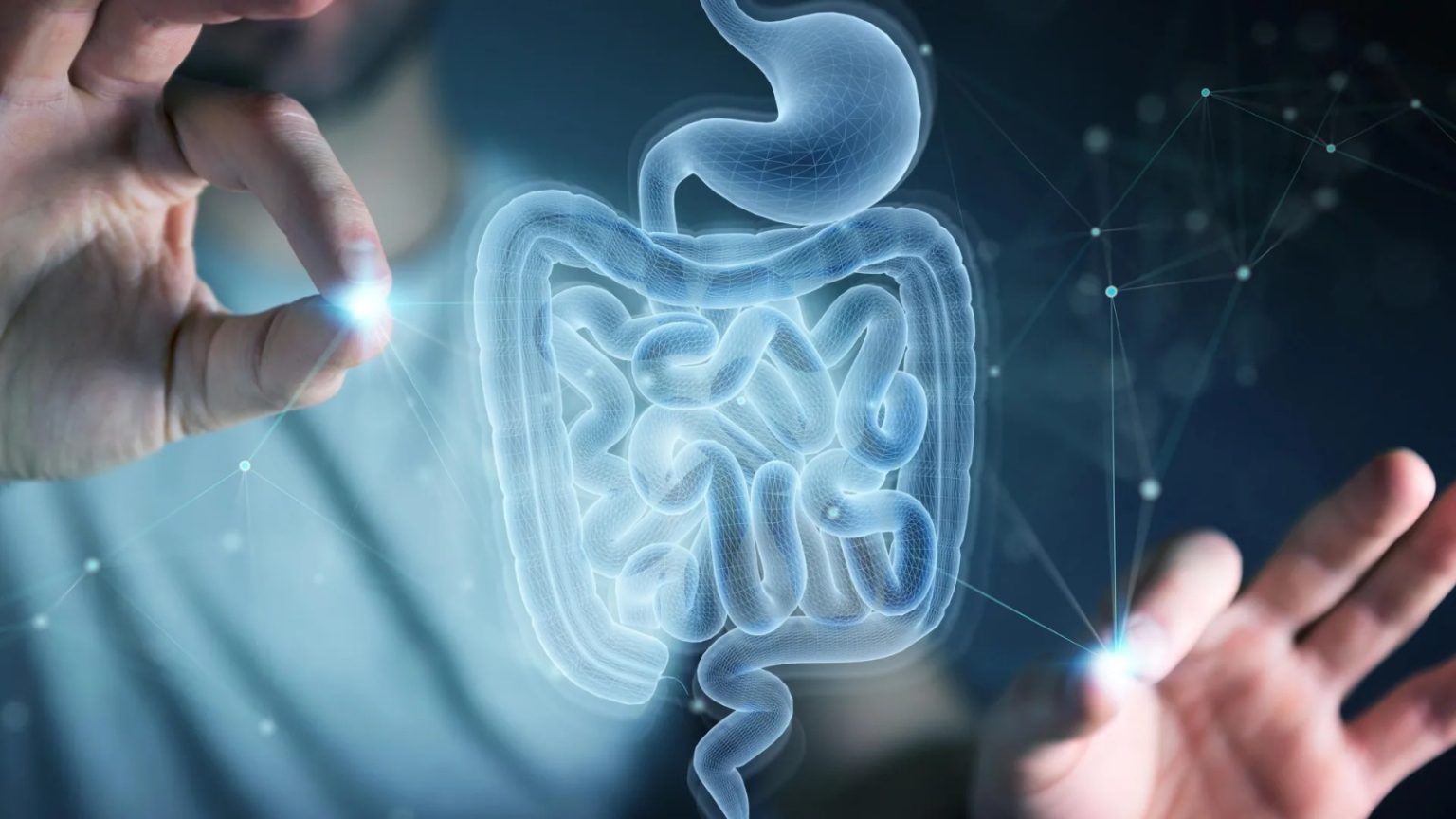
For decades, discussions around gut health have largely centred on familiar advice — increase fibre intake, consume probiotics, and support the microbiome through balanced nutrition. While these approaches remain important for maintaining digestive wellness, emerging research suggests that severe intestinal damage may require far more than routine dietary support. In cases involving inflammatory bowel disease, chemotherapy, radiation therapy, or significant gastrointestinal injury, the gut requires active cellular repair and tissue regeneration.
A groundbreaking study from Massachusetts Institute of Technology (MIT), published in the journal Nature, is now reshaping scientific understanding of how nutrition can directly influence intestinal healing. Researchers have identified cysteine — a naturally occurring amino acid found in many everyday foods — as a powerful biological trigger capable of accelerating the gut’s natural regenerative processes.
The study was led by Dr. Omer Yilmaz, Associate Professor of Biology and Director of the MIT Stem Cell Initiative, whose team sought to determine whether specific nutrients could directly stimulate tissue repair at the cellular level. To investigate this, researchers evaluated the effects of individual amino acids — the building blocks of proteins — on intestinal regeneration. Among the 20 amino acids tested, cysteine produced the strongest regenerative response in both intestinal stem cells and progenitor cells, which are essential for rebuilding damaged gut tissue.
According to the researchers, cysteine initiates a highly coordinated biological healing mechanism. Once consumed through food, cysteine is rapidly absorbed by the cells lining the small intestine and converted into a critical metabolic molecule known as Coenzyme A (CoA). This compound then activates specialised immune cells called CD8 T cells within the intestinal environment. Once stimulated, these immune cells begin producing IL-22, a powerful cytokine that signals intestinal stem cells to regenerate, multiply, and repair damaged tissue.
Beyond oncology, the study highlights the growing importance of precision nutrition in modern healthcare. Scientists are increasingly recognising that specific nutrients can influence highly specialised cellular pathways involved in immunity, tissue repair, inflammation control, and metabolic resilience. Rather than relying solely on broad dietary recommendations, future nutritional medicine may focus on strategically using targeted nutrients to support recovery and long-term health outcomes. The research also reinforces an important message for both clinicians and patients: food is not merely a source of energy, but a powerful biological tool capable of influencing healing at the cellular level. As understanding of gut health continues to evolve, incorporating high-quality, cysteine-rich proteins into daily nutrition may emerge as a simple yet scientifically supported strategy to strengthen intestinal recovery, enhance resilience, and support overall digestive health.