The Gujarat government has unveiled a record-breaking ₹25,403 crore allocation for the health and family welfare sector in its 2026-27 budget, focusing on expanding medical education, upgrading hospitals, strengthening primary care, and introducing advanced technologies to improve access, quality, and outcomes across the state.
Glimpse:
The ₹25,403 crore health budget includes funding for new medical colleges and nursing institutions, modernization of district and civil hospitals, procurement of high-end equipment (MRI, CT, cath labs), strengthening of PHCs/CHCs, expansion of Ayushman Bharat facilities, and recruitment of medical staff. Special emphasis is placed on cancer care, cardiac services, maternal & child health, and preventive programs, with integration of AI and telemedicine to reach underserved rural and tribal areas.
Gujarat Finance Minister presented the state’s 2026-27 budget with a historic ₹25,403 crore allocation for the health and family welfare sector, reflecting the government’s strong commitment to building a resilient, accessible, and high-quality public healthcare system. The substantial increase in health spending addresses long-standing gaps in medical education, tertiary care capacity, diagnostic services, and primary healthcare delivery, particularly in rural, tribal, and aspirational districts where access remains a challenge despite Gujarat’s overall progress in health indicators.
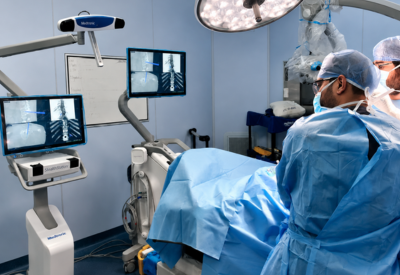
A major portion of the budget is dedicated to expanding medical education and specialist training, with funding for new medical colleges, postgraduate seats, and nursing institutions to increase the supply of doctors and paramedics in the state. Existing district hospitals and civil hospitals will undergo comprehensive upgradation, including new ICUs, modular operation theatres, dialysis units, trauma centres, and emergency wings in priority locations. Diagnostic infrastructure will receive a significant boost through the procurement of advanced equipment such as MRI machines, multi-slice CT scanners, digital X-ray systems, high-resolution ultrasound, and automated laboratory analysers, enabling faster and more accurate diagnosis at the district level and reducing referrals to Ahmedabad or other metros.
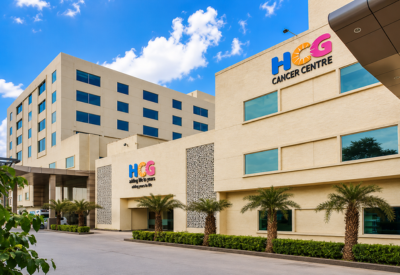
Primary and secondary care facilities including primary health centres (PHCs), community health centres (CHCs), and sub-centres will be refurbished and equipped with better infrastructure, telemedicine hubs, and enhanced maternal & child health services. The budget also allocates resources for dedicated cancer care units, cardiac intervention centres, high-risk pregnancy management programs, and preventive initiatives targeting non-communicable diseases. Recruitment of doctors, specialists, nurses, and paramedics will be accelerated, with incentives for service in difficult and tribal areas to address workforce shortages.
The allocation aligns with Gujarat’s vision of equitable healthcare access, particularly in underserved regions, while complementing national programs like Ayushman Bharat and the National Health Mission. Officials highlighted that the investment will significantly reduce patient outflows to neighbouring states, ease financial and logistical burdens on families, and improve health outcomes through timely, localized care. The health sector outlay is part of a broader budget focused on human development, infrastructure, and inclusive growth, with healthcare receiving one of the highest proportional increases in recent years.