India has significantly tightened regulatory oversight of artificial intelligence and machine learning-based diagnostic software, formally classifying most such tools as medical devices requiring mandatory licensing and rigorous validation. The Central Drugs Standard Control Organisation (CDSCO), under the Ministry of Health and Family Welfare, issued updated guidelines in January 2026 that bring AI/ML software intended for diagnosis, prognosis, screening, or treatment recommendation under the Medical Devices Rules, 2017.
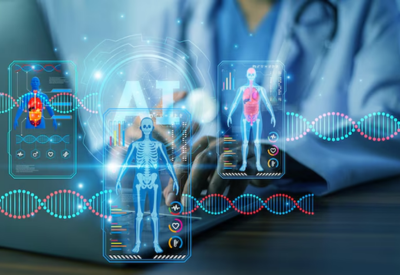
Previously, many AI diagnostic tools operated in a grey zone often marketed as “decision support” or “wellness” products without full regulatory scrutiny. The new framework eliminates this ambiguity: software that analyses medical images (X-rays, CT, MRI, pathology slides), interprets lab results, predicts disease risk, or provides diagnostic outputs is now explicitly categorised as a medical device. Risk classification follows global norms Class B (moderate risk, e.g., basic triage tools), Class C (high risk, e.g., cancer detection), or Class D (very high risk, e.g., life-critical decisions).
Manufacturers must now obtain CDSCO approval through a structured process: submission of technical documentation, quality management system certification (ISO 13485), clinical performance data (prospective studies demonstrating sensitivity, specificity, and real-world accuracy), and post-market surveillance plans. The guidelines also mandate transparency in algorithm training datasets (including diversity across age, gender, ethnicity, and socioeconomic groups), bias mitigation measures, explainability features, and cybersecurity safeguards.
The policy responds to growing concerns over AI diagnostic tools in India. Rapid proliferation of AI solutions especially in radiology, pathology, and infectious disease screening has raised alarms about potential errors, over-reliance by undertrained users, and lack of accountability when false results lead to misdiagnosis or delayed treatment. High-profile incidents of misleading claims and unregulated imports prompted the CDSCO to act decisively.
Dr. Rajeev Singh Raghuvanshi, Drugs Controller General of India, stated: “AI in diagnostics holds immense promise, but patient safety cannot be compromised. These guidelines ensure that every AI tool used for diagnosis meets rigorous standards for accuracy, reliability, and fairness protecting patients while encouraging responsible innovation.”
The framework includes provisions for fast-track approvals for low-risk tools and grandfathering clauses for certain existing products, provided they submit validation data within a transition period. Manufacturers are also encouraged to align with international standards (IMDRF, EU MDR) to facilitate global exports.
The move aligns with India’s broader push for self-reliance in medical devices under the Atmanirbhar Bharat and Production Linked Incentive (PLI) schemes, while addressing calls from clinicians and patient advocacy groups for stronger oversight of AI tools that directly influence diagnosis and treatment decisions.