Glimpse:
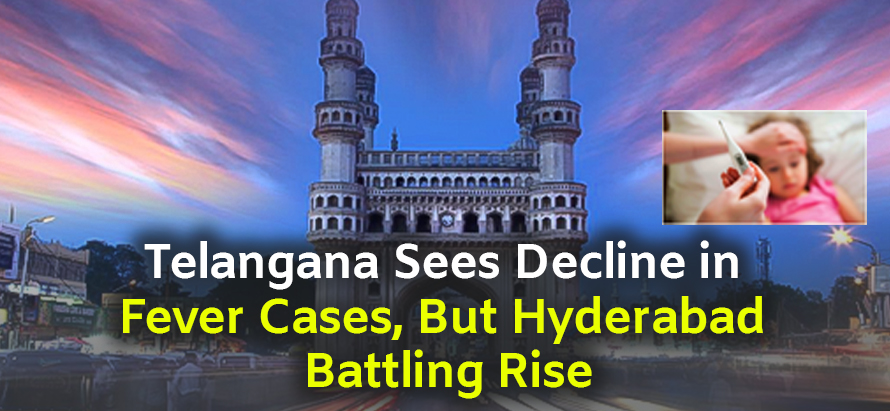
From January to September, Telangana reported only 11,158 cases of seasonal fevers, down from 20,000 last year. However, Hyderabad and nearby districts defied this trend with a 6% increase. Experts blame stagnant water, urban flooding, and insufficient larval control for the local surge.
Telangana’s public health surveillance data shows a marked 45% reduction in seasonal fevers (typhoid, dengue, chikungunya, malaria) in 2025 compared to 2024. The decline is being credited to proactive sanitation campaigns and early vector control measures.
However, Hyderabad, Warangal, and Medak bucked the trend, seeing a 6% rise in such cases. Officials point to localized issues waterlogging, drainage blockages, and urban vector hotspots as contributing factors.
To counter this, health departments are ramping up year-round anti-larval drives, intensifying community awareness, and deploying targeted fogging operations. Experts emphasize the need for systemic urban drainage and sanitation upgrades to sustain gains.