Glimpse:
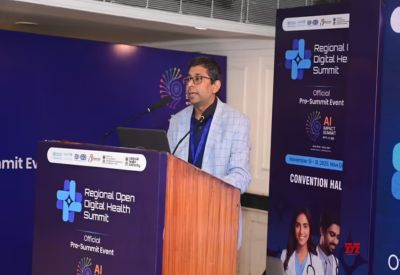
Speaking at the Regional Open Digital Health Summit 2025, Pagaria highlighted how technology can address doctor shortages, improve access in remote regions, and make care delivery more efficient. He stressed that transformation through digital health requires not just tools, but equity, interoperability, and long-term financing.
At the Regional Open Digital Health Summit 2025 in New Delhi, Vikram Pagaria, Director of India’s Ayushman Bharat Digital Mission (under the National Health Authority), made a pointed case: technology is not a luxury it’s vital to achieving universal health coverage (UHC) in India. He emphasized that digital health should be treated as an investment, with potential to significantly strengthen the country’s health infrastructure rather than simply being a line item in the budget.
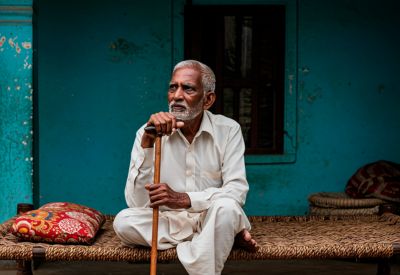
Pagaria underlined that digital tools can help overcome systemic challenges most notably, the acute shortage of doctors in rural and remote areas. By deploying technology smartly, India can bridge access gaps and bring quality healthcare to underserved populations. However, he cautioned that tech alone isn’t enough: true impact requires a focus on real-world needs, capacity-building of frontline workers, and safeguarding equity.
Experts at the summit echoed his view. Meredith Dyson, UNICEF’s Regional Health Specialist, stressed that digital public infrastructure must be built for interoperability and tailored to countries’ unique contexts. She talked about the importance of “country-specific blueprints” aligned with digital health and AI principles. Meanwhile, Karthik Adapa, WHO’s Regional Advisor for Digital Health, highlighted four essential pillars: infrastructure, governance, application design, and capacity building all underpinned by strong data exchange and integration.
To sustain this transformation, the speakers called for a sustainable financing model. They warned that without adequate funding especially in the face of dwindling global aid and rising healthcare costs digital health efforts risk stalling.