Glimpse:
The review, tabled in the Kerala Assembly on January 22, 2026, highlights that NCDs now account for over 70% of deaths in the state, with diabetes prevalence among adults exceeding 20% and hypertension affecting nearly one-third of the population above 60. The ageing demographic Kerala has 16.5% of its population aged 60+, far above the national average amplifies the crisis, driving up healthcare costs, hospitalisations, and loss of productive years. The report calls for urgent preventive measures, strengthened primary care, lifestyle interventions, and investment in geriatric services to avert a looming public health and economic crisis.
Kerala’s much-awaited Economic Review 2024–25 has painted a sobering picture of the state’s health landscape, warning that the twin challenges of rapid population ageing and a surging burden of lifestyle-related non-communicable diseases (NCDs) threaten to overwhelm the healthcare system and economic stability. Tabled in the Kerala Assembly on January 22, 2026, the review underscores that NCDs particularly diabetes, hypertension, cardiovascular diseases, cancer, and chronic respiratory illnesses now cause more than 70% of all deaths in the state, reversing earlier gains in infectious disease control.
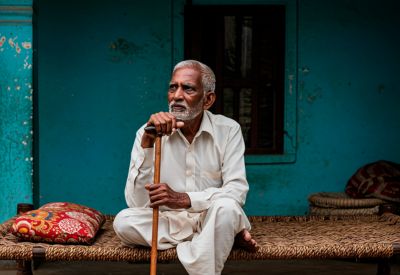
Kerala leads India in demographic transition, with 16.5% of its population aged 60 years and above nearly double the national average of 10.1%. This ageing cohort faces disproportionately high rates of NCDs: diabetes affects over 20% of adults, hypertension is prevalent in nearly one-third of those over 60, and cardiovascular diseases remain the leading cause of mortality. The review notes that these conditions are appearing earlier and progressing faster than in previous generations, driven by changing lifestyles, urbanisation, sedentary behaviour, dietary shifts, and high stress levels.
The economic implications are severe. NCDs lead to prolonged treatment, frequent hospitalisations, high out-of-pocket expenditure, and significant loss of productive life years particularly among the working-age population where early-onset diabetes and heart disease are rising. The state’s public health system, already stretched by high utilisation rates, faces mounting pressure from geriatric care needs, long-term medication, rehabilitation, and palliative services.
The Economic Review stresses that Kerala’s famed public health model once celebrated for controlling communicable diseases and achieving high life expectancy must now pivot toward aggressive prevention and management of NCDs. Recommendations include strengthening primary healthcare for early screening, promoting lifestyle modification campaigns, expanding geriatric clinics, integrating NCD care into Ayushman Bharat and state insurance schemes, and investing in digital health tools for remote monitoring and adherence support.
Experts warn that without immediate, large-scale action, the state risks a dual burden: a shrinking working-age population supporting a growing elderly cohort, combined with escalating healthcare costs that could strain fiscal resources and widen inequality.