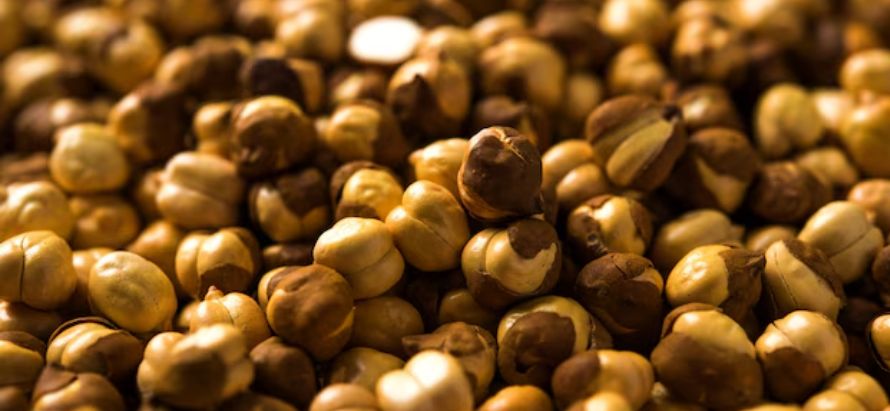
Auramine O is a synthetic, industrial-grade yellow dye widely used in sectors like textiles, leather, paper printing, and staining for microscopy not for human consumption. Under the country’s food-safety rules (Food Safety and Standards Act, 2006), Auramine O is explicitly banned from use in food items. faced in late November 2025, after a viral social-media video claimed that roasted chana a popular snack across India was being coated with Auramine O to enhance colour, crispiness, and consumer appeal. According to several media-reports and a letter from law-maker Priyanka Chaturvedi, analysis suggests that such adulteration is widespread and points to serious lapses in food-safety enforcement. Scientific studies have repeatedly shown that Auramine O is toxic to humans. Experimental data (animal studies) links chronic exposure to organ damage especially in the liver, kidneys and potentially bladder and mutagenic effects (DNA damage), which raise the risk for cancers. The dye has also been associated with neurological and reproductive toxicity, and adverse effects on the spleen and general metabolic functioning.
Despite the ban, surveillance reveals that a significant proportion of food and spice samples tested in certain studies remain contaminated with Auramine O indicating persistent violations and supply-chain loopholes. In one food-safety analysis, around 27% of tested samples contained the dye. hazards, food-safety advocates and public-health officials are calling for immediate action: nationwide testing of roasted chana and other suspect foods, stricter enforcement and penalties (license cancellation, fines, jail for repeat offenders), and public-awareness campaigns. A national health alert has been demanded.