Remote diagnostics is rapidly transforming healthcare delivery by shifting patient care from hospitals to homes. As highlighted in the report by Digital Health News, connected devices and real time monitoring technologies are enabling patients to receive continuous medical supervision without frequent hospital visits.
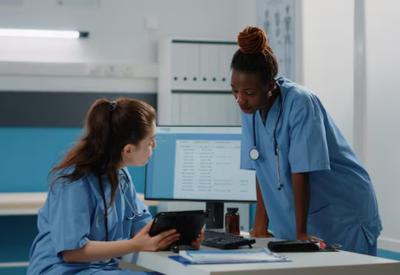
This shift is especially impactful for patients with chronic illnesses, post surgical recovery needs, and limited mobility. Through remote patient monitoring (RPM), healthcare providers can track vital parameters such as heart rate, oxygen levels, and blood pressure in real time using wearable devices, mobile apps, and cloud based platforms.
Globally, healthcare institutions are already adopting these technologies. Organizations like Mayo Clinic and Cleveland Clinic have implemented remote monitoring programs to manage chronic diseases and post discharge care, significantly reducing hospital visits and improving patient outcomes.
The evolution of remote diagnostics goes beyond basic teleconsultations. Today, advanced medical grade devices including glucometers, pulse oximeters, digital blood pressure monitors, and portable ECG systems are seamlessly connected to digital platforms, allowing automatic data sharing with healthcare professionals.
Industry trends further confirm this transformation. Remote monitoring and at home diagnostics are becoming mainstream, enabling early detection of health issues and proactive interventions before conditions worsen. Hospital at home models are also gaining traction, combining remote monitoring with clinical support to deliver hospital level care at home, improving patient satisfaction while reducing costs and readmissions.
However, the transition is not without challenges. Data privacy, device accuracy, and limited access to technology in rural areas remain key concerns. Ensuring proper usage of devices and building reliable digital infrastructure are critical for wider adoption.
Looking ahead, the integration of artificial intelligence and advanced analytics is expected to further enhance remote diagnostics. These technologies can analyze large volumes of patient data, identify patterns, and enable earlier, more precise interventions making home based care smarter and more efficient.
As healthcare systems continue to evolve, remote diagnostics is emerging as a cornerstone of modern, patient centric care bringing convenience, efficiency, and improved outcomes directly to patients’ homes.