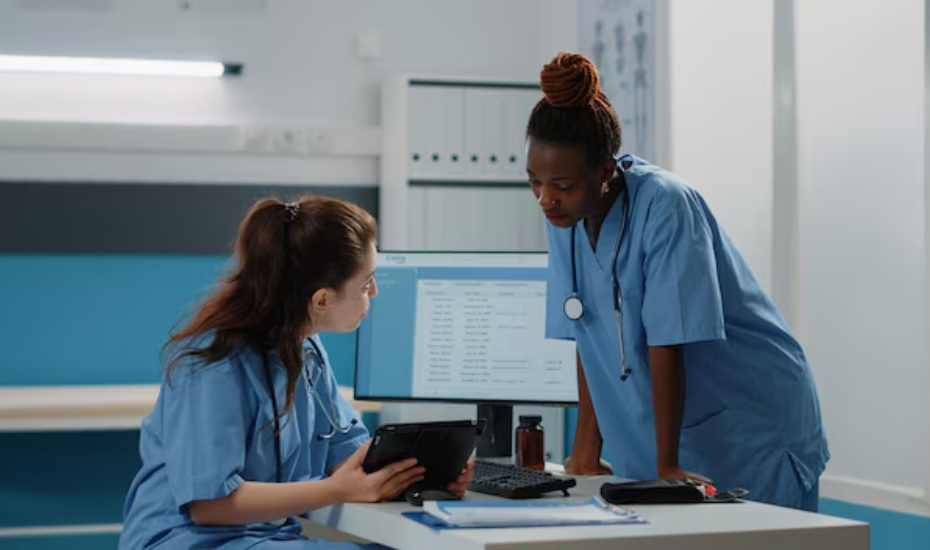
Digitalization, Artificial Intelligence (AI), and smart healthcare technologies are rapidly transforming nursing care workflows across hospitals and healthcare systems worldwide. Healthcare experts say nurses are no longer just adapting to technology they are increasingly becoming key drivers of digital healthcare innovation and workflow redesign.
Modern nursing workflows are evolving through the use of AI-powered clinical decision support systems, smart Electronic Health Records (EHRs), predictive analytics, voice-assisted documentation, wearable monitoring devices, remote patient monitoring systems, and virtual nursing assistants. These technologies are helping nurses reduce administrative burden, improve care coordination, and spend more time on direct patient care.
One of the biggest changes is happening in documentation and communication workflows. Hospitals are increasingly deploying ambient voice AI systems and secure digital messaging tools that automatically capture patient interactions, update records, and streamline communication between care teams. Microsoft Health and other healthcare technology firms report that AI-assisted documentation can significantly reduce burnout caused by repetitive paperwork and inefficient workflows.
Healthcare systems are also adopting predictive AI tools that help nurses identify patient deterioration risks earlier. AI-driven systems can analyze real time health data to predict conditions such as sepsis, pressure ulcers, medication complications, and cardiac instability before symptoms become severe. Researchers say this supports faster intervention and improves patient outcomes.
Another major trend is the rise of connected digital care ecosystems. Smart sensors, wearable devices, automated monitoring systems, and Internet of Things (IoT) technologies are enabling continuous patient monitoring both inside hospitals and remotely at home. Experts believe these systems are transforming nursing from reactive care delivery toward proactive and preventive healthcare management.
Industry reports also highlight that nurses are becoming increasingly involved in designing and improving healthcare technologies themselves. Organizations such as the European Specialist Nurses Organization (ESNO) emphasize that digital health systems succeed only when nurses actively participate in technology planning, testing, governance, and workflow design.
Recent discussions within nursing informatics communities further reveal growing demand for nurse led technology development. Nurses argue that poorly designed healthcare systems contribute heavily to burnout, workflow inefficiency, and patient safety risks. Many experts now advocate for stronger nurse involvement throughout the full healthcare technology lifecycle, including software design, testing, implementation, and optimization.
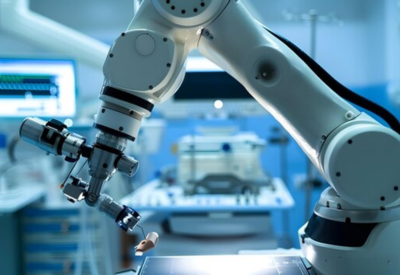
Healthcare leaders believe AI and digitalization will continue reshaping nursing roles over the next decade. Future workflows are expected to rely heavily on AI-assisted decision making, natural language processing, automation, predictive care systems, and virtual nursing technologies. However, experts also caution that successful implementation requires proper digital literacy training, ethical safeguards, cybersecurity protection, and maintaining the human connection between nurses and patients.
Despite challenges such as staff training gaps, system interoperability issues, and data privacy concerns, healthcare organizations increasingly view digital nursing transformation as essential to managing workforce shortages, improving efficiency, and delivering higher quality patient centered care.