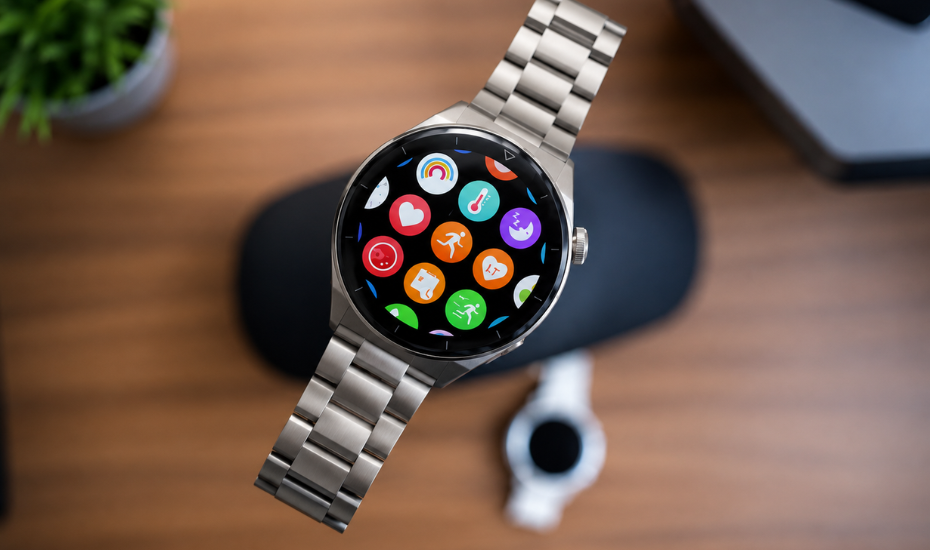
Samsung Electronics has announced a major breakthrough in wearable healthcare after a new clinical study revealed that the Samsung Galaxy Watch6 can predict fainting episodes several minutes before they occur using AI-powered biosignal analysis.
The research, conducted jointly with Chung-Ang University Gwangmyeong Hospital, focused on vasovagal syncope (VVS) a common condition caused by sudden drops in heart rate and blood pressure that can lead to temporary loss of consciousness. While fainting itself is often not life threatening, unexpected falls can result in severe injuries such as fractures and head trauma.
During the study, researchers evaluated 132 Patients With Suspected VVS Symptoms using the Galaxy Watch6’s built-in Photoplethysmography (PPG) Sensor and heart rate variability (HRV) monitoring. AI algorithms analyzed the biosignal data to identify warning patterns associated with impending fainting episodes.
The results showed that the smartwatch could predict fainting events Up To Five Minutes In Advance With 84.6% Accuracy, offering users enough time to sit down, seek help, or move to a safer position before losing consciousness. The model achieved a sensitivity of 90% and specificity of 64%, making it one of the first demonstrations of a commercially available wearable device detecting fainting risk in real time.
Samsung stated that the findings, published in the European Heart Journal Digital Health, represent a significant advancement in Preventive Digital Healthcare, shifting wearable devices from simple fitness trackers toward proactive health monitoring systems.
Industry experts say the development highlights the growing role of AI-Powered Wearables In Preventive Medicine, where smart devices continuously monitor vital signs to identify health risks before symptoms become severe. Similar research in wearable technology has already shown promising results in detecting atrial fibrillation, sleep disorders, and cardiovascular abnormalities.
However, some users and clinicians continue to caution that wearable health features should complement not replace professional medical evaluation, as smartwatch algorithms can occasionally generate inaccurate interpretations or inconsistent readings.
Samsung said it plans to further expand its health monitoring ecosystem and collaborate with more medical institutions to accelerate the development of Personalized, AI-Driven Preventive Healthcare Solutions.