Glimpse:
Kerala has built one of the most robust palliative care systems in India, supported by neighborhood networks, volunteers, and government policy. In many parts of the state, patients can reach a palliative-care centre in under 15 minutes but in other states, nearly 70% of people live more than two hours away from a palliative service point. Experts say Kerala’s model shows what is possible, while also warning that scaling it nationally will require political will, funding, and community participation.
Kerala’s palliative-care model is often held up as a global best practice and for good reason. In the southern state, a large portion of the population lives within minutes of a palliative care facility, thanks to an integrated system of home-based care, volunteers, and local self-government support. According to an analysis of palliative-care access in India, Kerala has one of the highest densities of palliative-care centres, and nearly its entire population can access care within 30 minutes.
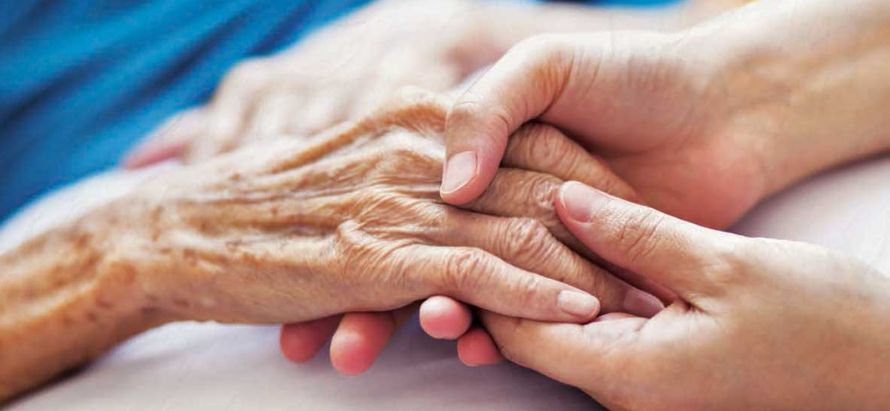
This rapid access is rooted in Kerala’s decades-long palliative tradition: the Neighbourhood Network in Palliative Care (NNPC) and the state’s 2008 Palliative Care Policy laid the groundwork for community-led, volunteer-driven care. Local panchayats, home-care nurses, and volunteers regularly visit bedridden or terminally ill patients in their homes, providing medical, psychosocial, and spiritual support. Studies find that patients are generally very satisfied with these services: a recent survey reported high beneficiary satisfaction among families receiving palliative home care in Kerala.
But the story is very different elsewhere in India. According to modeling data, only about 24% of the population nationally lives within 30 minutes of a palliative-care centre, and many more face travel times of an hour or more to reach basic care. For rural populations, the situation is even worse. In states without strong palliative-care infrastructure, patients may be forced to travel two hours or more just to access services an impossible demand when mobility and strength are limited.
Experts say Kerala’s success is not just about geography it’s about political commitment, community ownership, and practical policies. The state’s 2019 palliative-care policy enshrined home-based palliative care in the public health system, supported by local governments and NGOs. But scaling this model nationally is challenging: many states lack trained volunteers, palliative-care volunteers don’t exist at the same scale, and policies or funding remain fragmented. Healthcare-equity advocates argue that India must learn from Kerala’s blueprint while adapting it to local contexts.
Still, Kerala’s model isn’t without its own challenges. A qualitative study of palliative-care providers in the state highlighted “bittersweet” realities: nurses and volunteers often struggle with administrative burdens, limited resources, and emotional fatigue. There are also gaps in rural areas: a recent mixed-methods study in Alappuzha found that even in Kerala, families in remote villages report inconsistencies in care, communication challenges, and access issues.