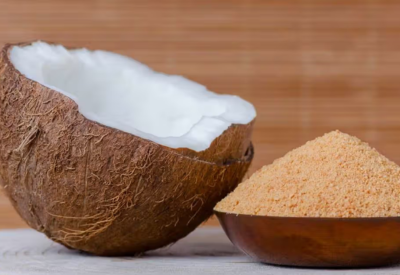
Nutrition and diabetes experts are revisiting the role of white coconut flesh (the inner meat of mature coconuts) in diets for people managing blood sugar levels. Some recent articles suggest that, under certain conditions, white coconut can be incorporated into a diabetes-friendly eating plan with caveats.
Why Some Say It’s Friendly to Blood Sugar
Low glycemic impact: Because a significant portion of coconut’s carbohydrates comes from fiber, its net carbs (carbohydrates that affect blood sugar) are lower. This slows sugar absorption and prevents sharp spikes. For many people, raw coconut meat shows minimal effect on glucose readings when consumed in moderation (e.g. via continuous glucose monitors).
Satiety & stabilization: The combination of fiber and healthy fats in coconut helps promote fullness, which can reduce snacking and reduce glucose fluctuations.
Nutrient content: White coconut offers small amounts of minerals (such as potassium, magnesium) and phytonutrients. However, these micronutrients are modest and should not be the sole justification for consumption.
The Risks & Why Moderation Matters
Calories & saturated fat: Coconut flesh is energy-dense and rich in saturated fats. Excessive intake may contribute to weight gain or unfavorable lipid profiles.
Portion sensitivity: Beyond small servings, the benefits may be lost. Overeating any carbohydrate-rich or fat-rich food even with fiber can strain insulin response.
Sweetened coconut products danger: Many commercially available coconut delicacies (flakes, dessert mixes) contain added sugars. These can raise blood glucose levels sharply and eliminate any potential advantage.
Individual variability: Glucose responses to foods vary across individuals. What is “safe” for one person may spike levels in another.
In short, white coconut is not a “free food” for diabetics, but under judicious use, it can be a textured, flavorful addition to the diet when managed carefully.