Kerala is drafting a comprehensive nutrition focused policy under its Vision 2031 plan, aimed at tackling malnutrition, rising obesity, and diet inequities. The policy will cover vulnerable groups like children, tribal communities, pregnant and lactating women, seniors, and others with targeted strategies to make “nutrition a right” rather than just food security.
Kerala is setting its sights on a big goal: achieving nutritional security by 2031 under its Vision-2031 initiative. The state government is in the process of framing a nutrition-centric policy that goes well beyond just making food available it intends to ensure quality, balance, and equity in diet for all its people.
Persistent malnutrition in certain pockets: districts like Palakkad, Malappuram, Idukki have seen undernutrition, anemia, and stunting issues. At the same time, obesity and diet-related health risks are rising in urban and semi-urban populations.
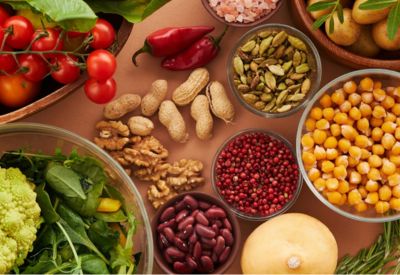
Heavy reliance on rice and calorie dense staples, with insufficient intake of pulses, micronutrients, fruits, and proteins.
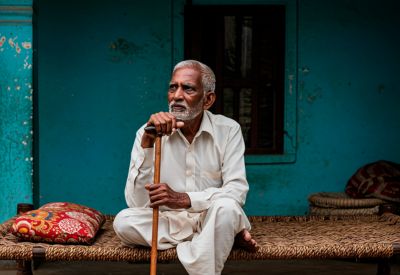
Gaps in nutrition for vulnerable groups tribal communities, pregnant and lactating women, children, seniors all of whom have different needs that are poorly met under the current system.
Essential nutritional food lists for different demographic groups tribals, children, pregnant women, elderly so that meals are tailored, not generic.
Age-appropriate diet plans to guide families institutions schools, Anganwadis on what balanced meals should look like at different life stages.
Diet overhaul in schools and midday meals: more protein eggs, small grains, pulses, inclusion of milk, eggs, meat in some settings, fortified or enriched staples, reduction of overuse of oil, sugar and salt.
Revamped Anganwadi menu and stricter guidelines for healthier meals in early childhood development settings. Training for cooks to maintain consistency and better nutritional content.
Subsidised free healthy food access through public schemes such as scaling up of subsidised food outlets Subhiksha Hotels and possibly home delivery or access for vulnerable populations.
Emphasis on “nutrition as a right” rather than merely “food as a right”: meaning policy, budgeting, oversight will be directed more explicitly at nutritional outcomes.