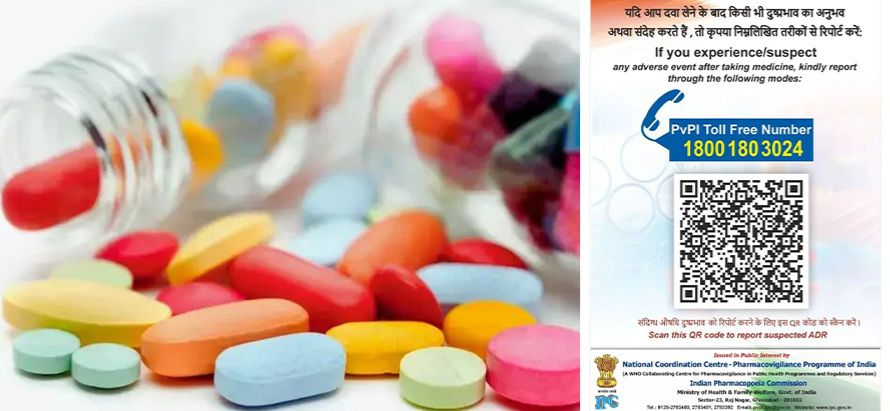
In a significant move to deepen patient-safety infrastructure, the Indian Pharmacopoeia Commission (IPC) has introduced a QR-code enabled adverse drug reaction (ADR) reporting platform designed for ease of use by patients, caregivers and healthcare professionals alike. The initiative is part of a broader digital-first strategy by the Pharmacovigilance Programme of India (PvPI) to make reporting less cumbersome and more accessible.
Under the new system, posters bearing a unique QR code will be displayed at pharmacies, drug dispensaries, hospitals and other stakeholder locations. Scanning the code via a smartphone directs the user to the ADR monitoring system (ADRMS) portal, where suspected drug reactions can be entered directly. The system also continues to support the toll-free helpline (1800-180-3024) for those who prefer phone-based reporting.
Initially rolled out in several states including Puducherry, Chhattisgarh, Goa, Odisha and Nagaland, the platform allows real-time data capture, enabling regulators and drug-safety networks to respond more rapidly to emerging safety signals. According to IPC officials, this will help shift the pharmacovigilance culture from reactive to proactive, by enabling broader reporting from patients and the public, not just clinicians.