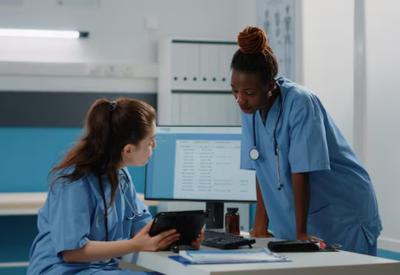
Wolters Kluwer and Abridge have announced an enhanced collaboration which places evidence-based clinical decision-support content directly into clinician workflows via ambient AI documentation. With Abridge’s platform already enabling real-time note-drafting from clinician-patient conversations, the added integration of UpToDate® content allows trusted guidance to surface contextually based on what is being documented and the patient’s chart.
This integration is already in use across more than 200 health systems and leverages Abridge’s capabilities of conversational AI for documentation along with UpToDate’s reputation for high-quality, peer-reviewed clinical guidance. For example, a clinician documenting an encounter for a patient with uncontrolled asthma might receive a prompt or link to the latest guideline on stepped-up therapy within the same workflow, not via a separate search.
By embedding CDS (clinical decision support) directly into familiar documentation flows, the partnership aims to alleviate common pain points such as workflow fragmentation, excessive clicking, disruptive search sessions, and potential decision delays. Wolters Kluwer emphasizes that delivering “trusted, evidence-based clinical insight in the documentation process” is central to helping health systems deliver efficient, high-quality care.
Looking ahead, the collaboration also sets the stage for future enhancements: localising guidance with site-specific protocols, layering system-level pathways, and expanding contextual triggers based on chart data and clinician intentions. In doing so, it reflects broader industry interest in making CDS more seamless, embedded and actionable, rather than siloed tools.