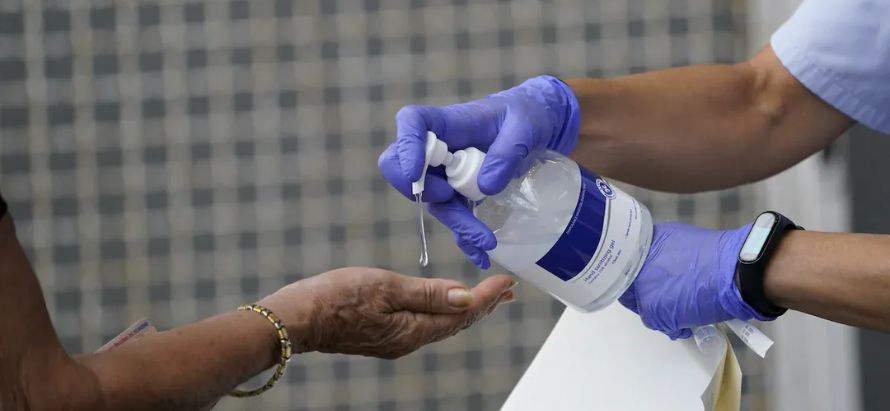
The European Union is currently assessing whether to reclassify ethanol an active ingredient in many hand-sanitisers as a hazardous chemical with carcinogenic and reproductive-toxicity potential. An internal recommendation made by a working group on 10 October noted that ethanol might increase risks of cancer and complications during pregnancy.
The matter is set to be debated by ECHA’s Biocidal Products Committee in late November. Should the committee conclude that ethanol meets the criteria for being carcinogenic, a formal recommendation will be forwarded to the European Commission, which holds the power to enact changes such as substituting ethanol in disinfectant products. However, ECHA has clarified that ethanol may still remain approved for certain uses if exposure levels are deemed safe or if no adequate alternatives exist.
The healthcare industry and hygiene-product manufacturers have raised concerns. For instance, hygiene experts say that alcohol-based hand rubs have been credited with preventing millions of infections globally and that fallback options may not be as effective or safe.
At present, both WHO and the International Agency for Research on Cancer (IARC) hold that ethanol and isopropanol are acceptable for hand hygiene but the regulatory review in Europe signals a potentially significant shift in chemical safety standards for disinfectants