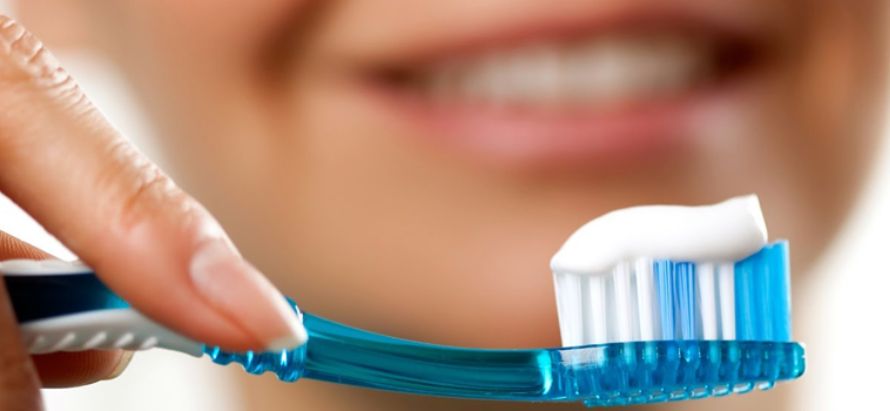
Good oral hygiene has long been recognised as key to preventing dental problems like cavities and gum disease. However, new evidence suggests that it may also play a role in protecting brain health, notably by reducing the risk of stroke.
In one meta-analysis of over 7,300 adults followed for a median of 10.4 years, individuals who brushed their teeth three or more times daily had a significantly lower stroke incidence (hazard ratio [HR] ~ 0.78) compared with those brushing less often. In another recent U.S. study conducted as part of the Atherosclerosis Risk in Communities (ARIC) Study which followed more than 6,000 participants for 25 years researchers found that flossing at least once a week was associated with a 22% lower risk of ischemic stroke, a 44% lower risk of cardioembolic stroke (blood clots from the heart), and a 12% lower risk of atrial fibrillation (irregular heart rhythm) compared with those who did not floss.
Adding to that, a recently released study found that adults with both untreated cavities and gum disease had an 86% higher risk of stroke compared to those with clean dental and gum health even after accounting for conventional stroke risk factors.
How might oral hygiene relate to stroke risk? One proposed mechanism is that poor oral care leads to gum and tooth-related infections, which spark systemic inflammation and can accelerate damage to blood vessels, contributing to atherosclerosis (hardening of arteries) or clot formation. Another route is that oral bacteria enter the bloodstream and may contribute to vascular changes in the brain. Experts say these are plausible links, though the studies are observational and thus cannot confirm causality.
From a public-health standpoint, these findings underscore that oral hygiene may be a “low-cost, high-return” habit: brushing at least twice a day, flossing regularly, and maintaining dental check-ups not only protect teeth but might also reduce risk of stroke and other vascular diseases. Nonetheless, specialists caution that oral care should complement and not replace established stroke-prevention efforts like controlling blood pressure, diabetes, quitting smoking and managing cholesterol.