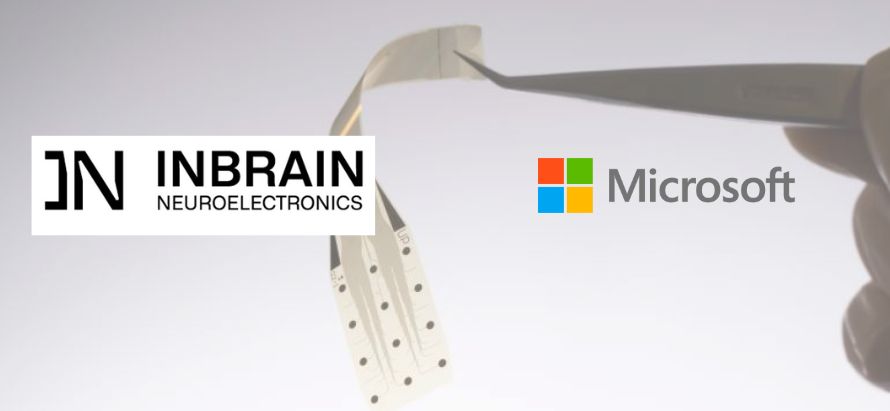
INBRAIN Neuroelectronics and Microsoft have announced a strategic collaboration to integrate agentic artificial intelligence with INBRAIN’s graphene-based brain-computer interface (BCI) technology, aiming for real-time adaptive neural therapies for neurological disorders.
Glimpse:
The partnership will leverage Microsoft’s Azure cloud, time-series large language models and analytics tools alongside INBRAIN’s neural architecture to develop a new class of intelligent BCI therapeutics. The focus includes conditions such as Parkinson’s disease, epilepsy and stroke rehabilitation.
Barcelona-based INBRAIN Neuroelectronics has entered into a major collaboration with Microsoft to advance agentic-AI enabled brain-computer interfaces (BCIs).
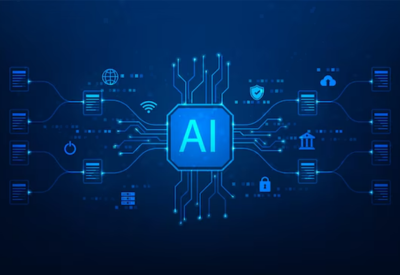
The deal centres on combining INBRAIN’s graphene-based neural implant platform which offers micrometric modulation and high-fidelity signal decoding with Microsoft’s AI-cloud infrastructure, including its Azure AI services and large language models for time-series neural data. The goal build a next-generation BCI that not only decodes brain signals but learns and adapts autonomously in real time.
INBRAIN’s CEO, Carolina Aguilar, described the vision as creating “the most intelligent, autonomous and personalised interface between the nervous system and AI making the nervous system the body OS.”

Microsoft also commented, via Clare Barclay, President of Enterprise & Industry EMEA, emphasising the convergence of neuroscience, bioelectronics and AI, and the transformative potential for neurological health.
While commercial rollout and regulatory pathways will take time, the announcement marks a clear step towards BCIs moving from lab prototypes to adaptive therapeutic platforms capable of real-time neural intervention, data-driven personalization and autonomous adjustment. The challenges ahead include rigorous clinical testing, regulatory approvals for AI-enabled implantable devices and ensuring patient-safety frameworks for autonomous neural modulation.
“By collaborating with Microsoft, we’re combining our precision graphene neural technology with one of the world’s most powerful AI ecosystems. This partnership brings us closer to a future where brain-computer interfaces don’t just decode or modulate, but truly understand and respond to the nervous system in real time.”
By
HB Team