Glimpse:
The SCOT Lab, housed in IIT Madras’s Department of Medical Sciences & Technology, is designed to decode diseases at the single-cell level from cancer and cardiovascular disorders to infectious and metabolic diseases. With advanced instruments and translational research capacity, it aims to drive precision medicine, biomarker identification, and therapeutics development, while also training a national cohort of scientists, clinicians, and engineers.
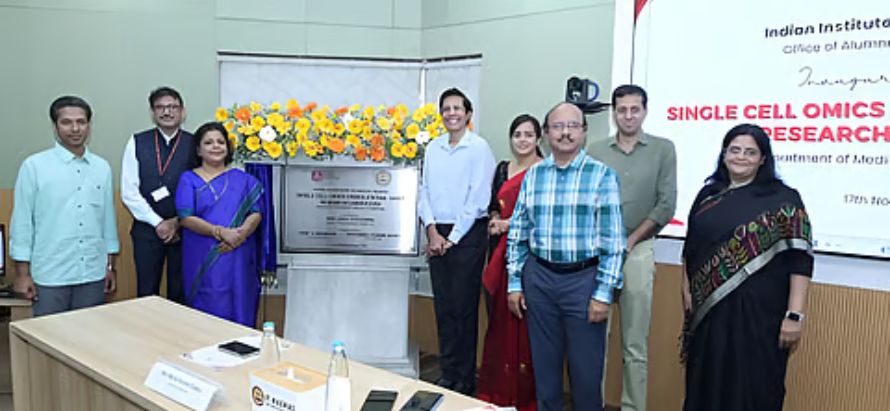
Indian Railways Finance Corporation (IRFC) has joined hands with IIT Madras to inaugurate the country’s first Single Cell Omics Translational (SCOT) research laboratory. The lab located at the Department of Medical Sciences and Technology (DMST) is funded through a ₹ 10.83 crore CSR grant from IRFC.
This facility will be equipped with cutting-edge instrumentation to perform single-cell profiling and functional genomics, enabling research into early disease diagnosis, prognosis, biomarker discovery, and drug screening. The SCOT Lab is expected to tackle a broad range of conditions, including cancer, cardiovascular disease, infections, inflammatory disorders, metabolic syndromes, and other non-communicable diseases.
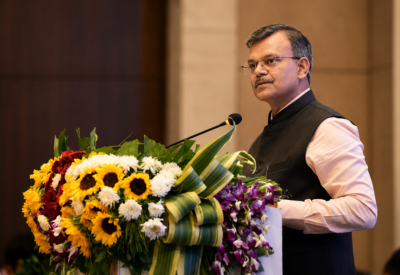
At the inauguration, Prof. V. Kamakoti, Director of IIT Madras, highlighted the importance of bridging engineering and medicine to pioneer India’s precision-medicine capabilities. Usha Venugopal, Member (Finance) at the Ministry of Railways, noted that IRFC’s CSR investment reflects a commitment to public-health innovation. Prof. Anubama Rajan, who is coordinating the lab from DMST, emphasized that SCOT will serve as a national training hub building expertise among clinicians, engineers, and biologists in single-cell technologies and computational medicine.
Looking ahead, the SCOT Lab aims to fuel precision diagnostics and therapeutic innovation by correlating cellular-level molecular data with clinical insights. The researchers anticipate that this platform will fast-track biomarker discovery, enable the development of personalized therapies, and strengthen India’s translational research ecosystem.