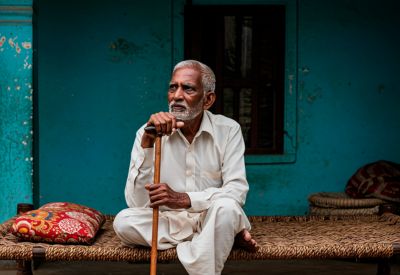
A comprehensive survey conducted in urban Hyderabad among 1,320 senior citizens (aged 60 and above) has sounded the alarm on the growing burden of chronic disease in the city’s ageing population. According to the study titled “Non-communicable diseases and risk factors profiling among geriatric population residing in Hyderabad”, 49.9% of respondents suffer from hypertension, 25.8% have diabetes, and a staggering 44.3% are classified as obese.
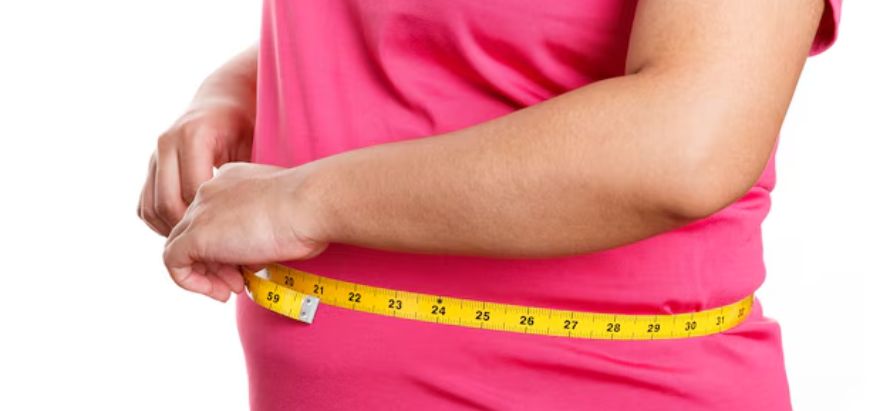
Nutrition patterns among the participants were especially worrying. Only about 41% reported consuming protein-rich foods at least once a week, while 74% said they regularly ate vegetables. This poor dietary diversity, coupled with a high intake of refined carbohydrates, appears to be contributing to both central adiposity (fat around the waist) and the high prevalence of hypertension. The study authors noted a strong association between abnormal waist-hip ratio and elevated blood pressure, underlining the role of central obesity in driving cardiovascular risk.
Further complicating the issue, recent ICMR-INDIAB data reveals that residents of Telangana (where Hyderabad is located) derive a disproportionately large share of their daily calories from refined carbohydrates like white rice. This dietary overreliance, combined with low weekly protein intake, is fueling a threatening rise in metabolic disorders in the region. Experts argue that even a small shift such as replacing a few percent of carb calories with protein could help reduce disease risk.
The implications of these findings are stark: Hyderabad’s elderly population faces a “dual burden” of malnutrition and chronic disease. While a portion of this population remains underweight (about 12.2%, according to the study), nearly half are grappling with conditions linked to excess weight. The authors recommend urgent public health interventions: regular NCD screening for seniors, improved dietary education targeting older adults, and nutrition programmes that promote balanced meals rich in protein.