The Delhi government has allocated ₹13,034 crore to the health sector in its 2026-27 budget, with a strong emphasis on preventive healthcare. A flagship announcement is the introduction of free newborn screening for all babies born in government facilities, aimed at early detection of congenital and metabolic disorders. The budget also focuses on strengthening primary care, upgrading hospitals, expanding insurance coverage, and integrating technology to improve access and outcomes across the capital.
Glimpse:
The ₹13,034 crore health outlay includes significant funding for free universal newborn screening (covering treatable genetic and metabolic conditions), expansion of Mohalla Clinics, upgradation of hospitals with modern equipment, recruitment of medical staff, and digital health initiatives under ABDM. Special attention has been given to maternal and child health, non-communicable diseases, mental health, and air pollution-related respiratory issues. The government aims to reduce out-of-pocket expenses and shift the focus from curative to preventive care.
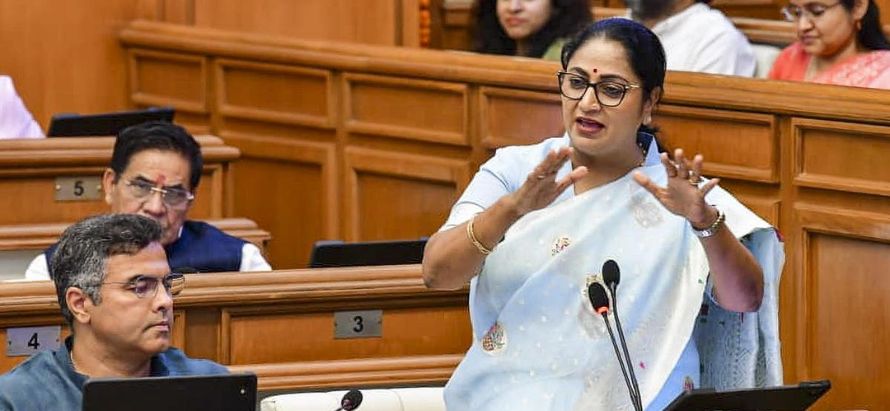
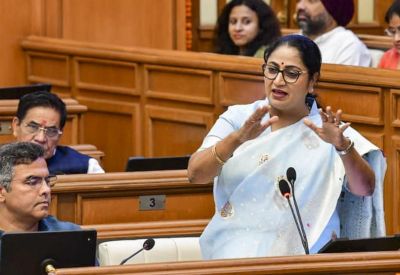
Delhi Chief Minister Rekha Gupta presented the 2026-27 budget with a record ₹13,034 crore allocation for the health and family welfare sector, marking a clear shift towards preventive healthcare and early intervention. A standout initiative is the launch of free universal newborn screening for all babies delivered in government hospitals and health centres. The programme will screen for a comprehensive panel of congenital, genetic, and metabolic disorders that, if detected early, can be managed effectively to prevent long-term disability and developmental issues.
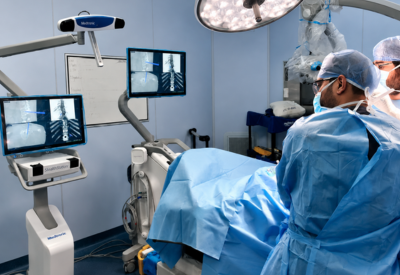
The budget also provides for the continued expansion and strengthening of Mohalla Clinics, which serve as the first point of contact for primary care in urban settlements. Additional funds have been earmarked for upgrading major hospitals with advanced diagnostic equipment, modern ICUs, and specialised departments. Recruitment of doctors, nurses, and paramedical staff will be accelerated to address workforce gaps, particularly in high-burden areas. The government has also allocated resources for mental health services, geriatric care, and targeted interventions for respiratory diseases linked to air pollution.
Integration of digital health tools under the Ayushman Bharat Digital Mission (ABDM) has received focused attention, with plans to link more facilities, enable seamless sharing of health records, and introduce AI-assisted triage and predictive analytics at the primary level. The budget aims to expand coverage under existing health insurance schemes and reduce out-of-pocket expenditure for Delhi residents, especially for diagnostics, medicines, and chronic disease management.
Officials described the allocation as a balanced approach that strengthens both preventive and curative services while addressing Delhi’s unique urban health challenges. The free newborn screening programme is expected to benefit thousands of families annually and significantly improve long-term health outcomes for the next generation. The overall health budget reflects the government’s commitment to building a more resilient, accessible, and technology-enabled public healthcare system in the national capital.