Antimicrobial resistance (AMR) is not just a hospital problem it’s increasingly a food-chain problem too. The World Health Organization warns that widespread use of antibiotics in food-producing animals used not only to treat disease but also to boost growth creates resistant bacteria that can spread to humans. As antibiotics are excreted from animals, resistant microorganisms, along with antibiotic residues, can contaminate soil, water, and crops.
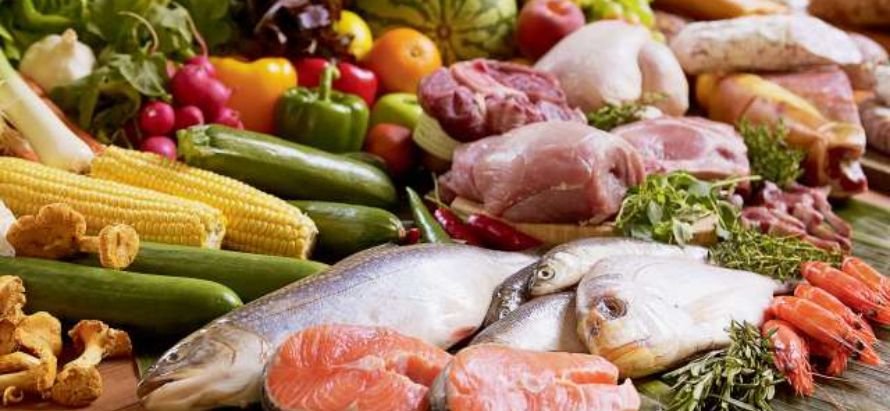
In poultry farming, for instance, studies from India show high levels of drug-resistant bacteria in chicken meat. These bacteria and the resistance genes they carry can make their way to humans via food. The problem is compounded because many critical human antibiotics (like tetracyclines) are also used in animal production.
Milk, too, is not immune. Research shows that antibiotic residues have been found in milk samples across dairy sectors, due primarily to treatment of illnesses in livestock without adequate “withdrawal periods” the time required for residues to drop before the milk is safe. When people consume such milk, they may be exposed to low levels of antibiotics and even antibiotic-resistant bacteria.
Vegetables are another concern. They can become contaminated by antibiotic-resistant bacteria when irrigated with water or fertilised with animal manure that contains antibiotic residues or resistant microbes. Over time, resistance genes in these bacteria may transfer within our gut microbiome weakening the effectiveness of antibiotics when we actually need them.