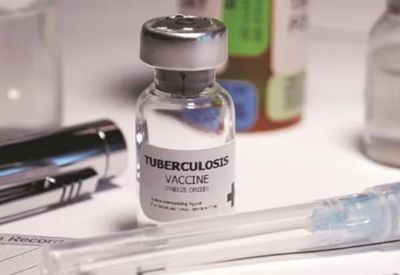
India has taken a major step forward in its battle against tuberculosis (TB), with institutions such as the Institute of Life Sciences (ILS), Bhubaneswar and Indian Institute of Technology Bhubaneswar (IIT-Bhubaneswar) developing a next-generation subunit TB vaccine designed for adolescents and adults. Their candidate dubbed the “HSP Subunit Vaccine in Adjuvant (DDA)” cleared pre-clinical safety and efficacy testing. In a recent quadripartite licence agreement, the technology was transferred to industry partner TechInvention Lifecare Limited for commercialisation, signalling confidence in scaling the vaccine for wider use.
Meanwhile, another promising candidate, MTBVAC, developed internationally and licensed to India’s Bharat Biotech International Ltd (in collaboration with Spanish firm Biofabri), is undergoing clinical trials in India among adults and adolescents. MTBVAC is a live-attenuated vaccine derived from a human strain of the TB bacterium and offers more comprehensive antigen coverage than BCG. Experts hope MTBVAC could deliver longer-lasting and broader immunity, potentially protecting against pulmonary TB the most transmissible form which BCG often fails to prevent.
The push comes at a critical time: TB remains a leading infectious disease in India, and global modelling analyses suggest that deploying effective adolescent/adult TB vaccines in high-burden countries could substantially reduce new infections, deaths and long-term economic burden. Public health officials and researchers emphasise that such vaccines once proven safe and effective will be essential to achieving TB elimination goals.
However, there are caveats. The new vaccines, including the HSP subunit candidate from ILS/IIT Bhubaneswar, though promising in animals, still need rigorous human trials to establish safety, immunogenicity and real-world efficacy, especially in diverse populations. The timeline for mass deployment will depend on successful Phase-3 results, regulatory approval, and large-scale manufacturing and distribution capabilities.