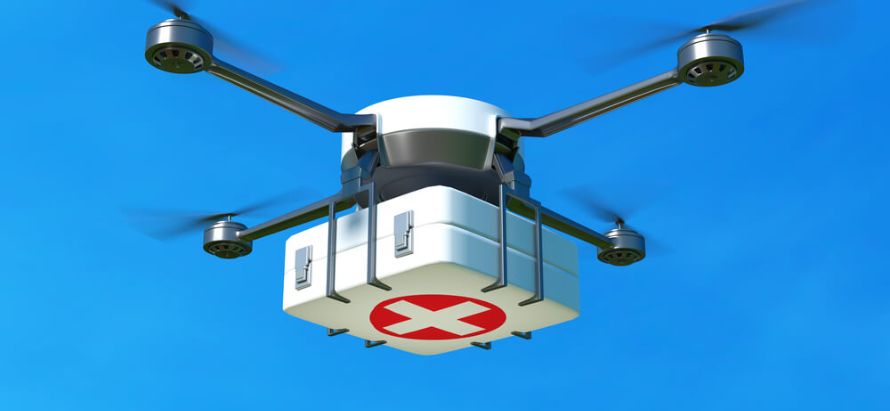
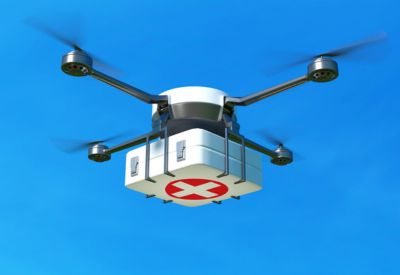
Zipline International the American robotics and logistics company specialising in autonomous drone deliveries has secured a US $150 million award from the U.S. Department of State to scale up its medical-supply delivery network across Africa. Under this agreement, Zipline aims to triple its coverage: increasing its network from roughly 5,000 existing health facilities to about 15,000.
This deal marks the first time the State Department has funded an AI- and robotics-based foreign-aid initiative under a “pay-for-performance” model meaning funds are disbursed as African governments sign on for long-term usage contracts, ensuring sustainability. The funding is aimed at building new drone-hubs, supply-chain infrastructure, manufacturing drones and enabling 24/7 autonomous delivery of critical medical supplies such as blood products, vaccines, antiretroviral drugs, test kits and essential medicines to remote and underserved populations.
Zipline’s existing operations (in countries like Rwanda, Ghana, Nigeria, Kenya, and Côte d’Ivoire) have already demonstrated how drone delivery can overcome traditional logistical barriers delivering life-saving medicines and greatly reducing delivery times compared to ground transport. With the expansion, up to 130 million people across Africa could gain timely access to medical supplies, potentially slashing stock-outs, improving vaccine and therapy coverage, and aiding in disease prevention and maternal/child health programs.
The funding announced with support from Elton John AIDS Foundation (EJAF), a longtime philanthropic backer of Zipline’s health-delivery work in Africa reinforces confidence in drone-based logistics as a scalable, cost-effective solution to longstanding public-health challenges tied to geography, infrastructure and supply-chain disruptions.