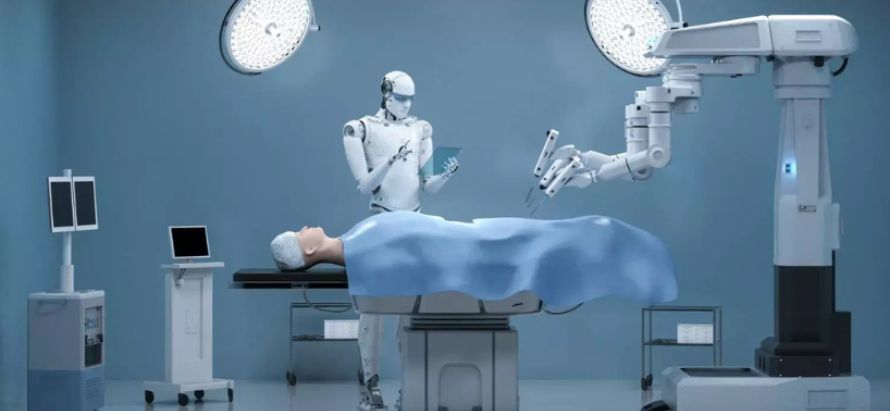
In a significant medical milestone for Karnataka, Fortis Hospital, Bannerghatta Road has performed its first robot-assisted deceased-adult-donor kidney transplant marking a key advancement in transplant surgery for the state. The recipient was a 68-year-old man from Bengaluru, suffering from Stage-V chronic kidney disease, on dialysis and with co-morbidities such as diabetes and hypertension. Traditional transplants from deceased donors are typically open surgeries; robot-assisted operations are usually reserved for living donors because of the need for precise preoperative planning and surgical setup. case extraordinary is that the transplant team led by Dr. Mohan Keshavamurthy (Principal Director, Urology & Robotic Surgery) acted rapidly when a brain-dead donor kidney became available. The robotic operating theatre (OT) was already prepped for another procedure, allowing the team to switch gear and perform the transplant robotically, despite the narrow time window required for organ viability.
The benefits of this approach are significant: robotic surgery minimizes surgical trauma, reduces blood loss, and typically allows faster recovery compared to open surgery. In this case given the patient’s age and comorbidities a robotic transplant likely reduced peri-operative risk, postoperative complications, and hospital-stay duration. According to Fortis, this success demonstrates how being “OT-ready” can enable advanced transplant techniques even in deceased-donor scenarios, expanding the possibilities beyond living-donor limitations.
Fortis’ broader transplant program named TREAT Program (Total Robot Enabled And Assisted Transplant) has already shown its capability in complex live-donor and high-risk transplants earlier in 2025. What this new deceased-donor case adds is a proof-of-concept: that robotic transplantation can be extended safely to cadaveric transplants, potentially increasing the donor pool and improving outcomes for more patients.