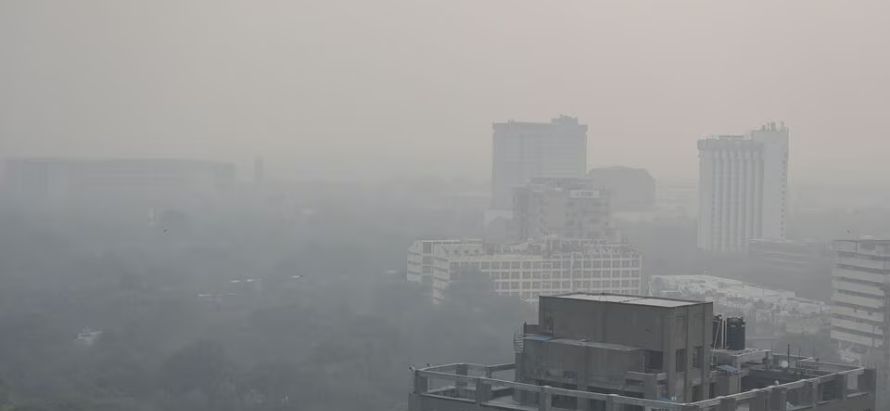
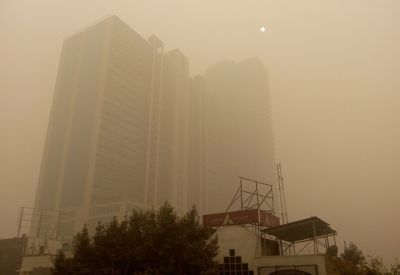
A study published in a peer-reviewed medical journal compared respiratory health and body-mass index (BMI) of adolescents from Delhi against those from cleaner southern Indian cities (Kottayam and Mysuru). The researchers surveyed 4,361 children across 12 randomly selected schools, and after filtering for quality responses and spirometry tests, analysed data from approximately 3,157 participants.
The findings were stark: among teens in Delhi, 39.8% were classified as overweight or obese, compared to only 16.4% of teens in the southern cities more than double the proportion. This elevated BMI in Delhi adolescents was the only risk factor that was strongly associated with airflow obstruction and asthma (odds ratio ~ 1.79), suggesting a possible interplay between air pollution, metabolic stress and lung health.
Beyond obesity, the study noted a significantly higher prevalence of respiratory symptoms including chronic cough, shortness of breath, chest tightness, allergic rhinitis and eczema among Delhi children. On spirometry, rates of airflow obstruction (a marker of asthma and compromised lung function) were elevated in the Delhi group compared to their southern peers.
While the study cannot definitively prove causation, researchers argue that long-term exposure to ambient pollutants particularly fine particulate matter (PM2.5/PM10) can act as “obesogens,” interfering with metabolism, endocrine function and appetite regulation. Combined with reduced outdoor activity (due to poor air quality) and lifestyle patterns, this may explain why pollution-exposed adolescents show higher obesity and respiratory illness.