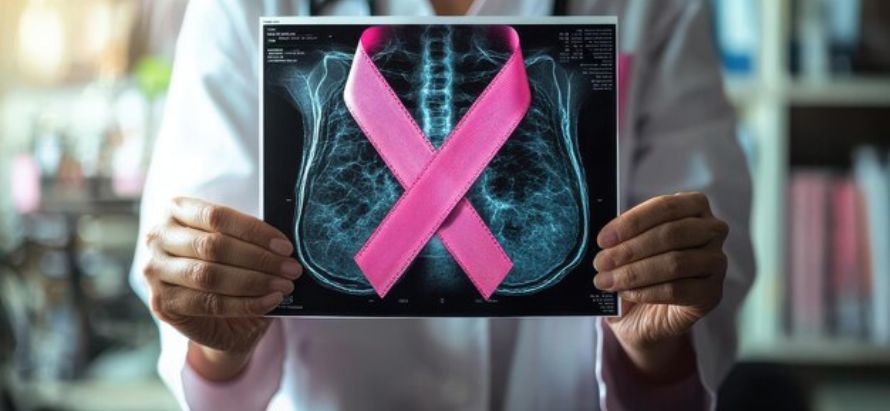
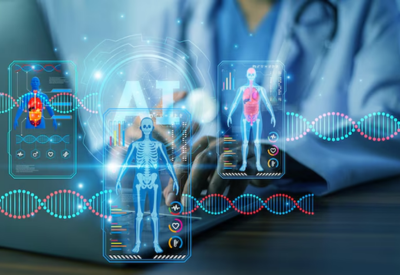
The Central Drugs Standard Control Organisation (CDSCO) has formally classified AI/ML software for cancer detection and diagnosis analyzing X-rays, CT scans, and other images as Class C medical devices (moderate-to-high risk). This brings such tools under mandatory regulatory oversight, requiring approvals, safety validation, and monitoring to ensure patient safety amid rapid AI adoption in diagnostics.
Glimpse:
Issued on January 6, 2026, the notification treats computer vision/machine learning-aided cancer detection applications as regulated devices under the Medical Devices Rules, 2017. It aims to validate claims of early detection, prevent unverified tools from entering clinical use, and set precedents for other AI medical software. The risk list will be periodically reviewed as technology evolves.
In a proactive step to safeguard patients as artificial intelligence reshapes diagnostics, the Central Drugs Standard Control Organisation (CDSCO) has placed AI-based cancer detection software under formal regulation. The notification classifies these tools using machine learning to analyze medical images like X-rays, CT scans, MRIs, and pathology slides for malignancy detection as Class C medical devices, a category for moderate-to-high risk products requiring stringent pre-market approval and post-market surveillance.
This move addresses concerns over unvalidated AI claims in India’s burgeoning health-tech startup ecosystem, where numerous companies offer early cancer screening solutions. Regulators emphasized the need for scientific validation: such software must now demonstrate safety, performance, and clinical reliability before deployment in hospitals or diagnostic centres.
Key Implications:
Manufacturers/Developers: Must obtain CDSCO licenses, conduct clinical evaluations, and comply with quality management standards (e.g., ISO 13485). Imports will face similar scrutiny.
Patient Safety: Ensures tools meet efficacy thresholds, reducing risks of false positives/negatives that could delay treatment or cause unnecessary anxiety.
Industry Growth: Provides regulatory certainty, encouraging investment while weeding out substandard products.
Precedent Setting: Likely to influence classification of other AI diagnostics (e.g., cardiac, neurological) and broader Software as a Medical Device (SaMD) guidelines.
The decision follows stakeholder consultations on a draft list and aligns with global trends (e.g., FDA’s AI/ML framework). CDSCO noted the list remains dynamic for future updates reflecting technological advancements.
This regulatory clarity comes as AI diagnostics gain traction in India promising faster, more accessible cancer screening but highlights the balance between innovation and oversight in a high-stakes field.