Glimpse:
By combining functional and anatomical imaging into a single scan, PET-CT reveals both where a problem lies and how it behaves enabling early detection (especially in cancer, neurology, infections), precise staging, and better-informed decisions. The latest innovations, including digital-PET and AI-aided imaging, have made scans faster, clearer and safer turning a once-lengthy diagnostic odyssey into a streamlined, more compassionate process.
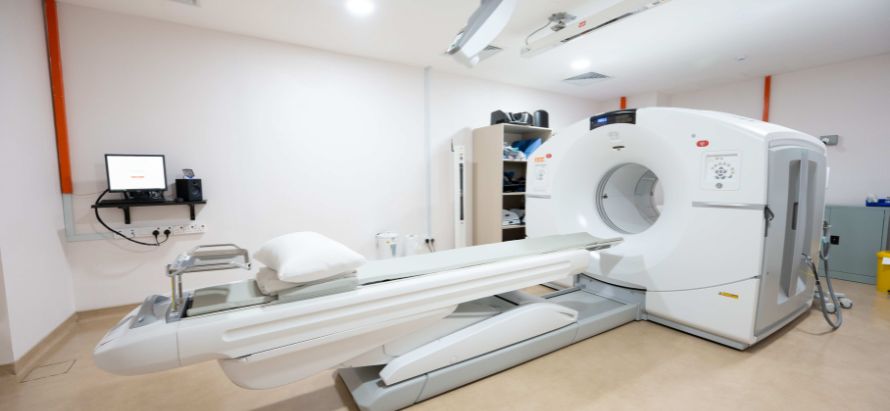
When a loved one falls ill, one of the hardest burdens for families is not just treatment but the waiting. Waiting for test results, waiting for clarity, and living with uncertainty. According to experts, that waiting often causes more stress than the illness itself. But with advances in imaging technology particularly through PET-CT that narrative is changing. PET-CT fuses metabolic imaging (via Positron Emission Tomography) with structural detail (via Computed Tomography), giving doctors a comprehensive picture of both how organs and tissues look and how they are functioning.
For conditions such as cancer, neurological disorders or complex unexplained symptoms, PET-CT often becomes a one-stop, definitive diagnostic step revealing hidden disease, mapping spread or metastasis, and frequently eliminating the need for multiple investigations. It offers clarity on where disease has started, how far it has spread, and what the metabolic activity is enabling clinicians to tailor biopsies, surgeries or therapies more precisely. This can dramatically cut down time to treatment, reduce invasive procedures, and deliver faster answers to anxious families.
Importantly, technological improvements such as digital PET-CT scanners and AI-supported image reconstruction have improved image clarity, reduced scan times, and lowered radiation exposure. This evolution makes PET-CT more accessible and safer than ever, increasing confidence among patients and doctors alike. patients and their families, what matters most is not just what the scan reveals but the peace of mind. Knowing with certainty, planning the next steps, and replacing days or weeks of uncertainty with a clear direction. As one nuclear medicine consultant notes, while technology gives us the map compassion helps guide patients through it.