Glimpse:
The summit, themed “Restoring balance for people and planet: The science and practice of well-being”, will convene thousands of delegates from more than 100 countries, including ministers, clinicians, scientists and civil society actors, with a focus on strengthening regulation, research, safety standards, and global cooperation in traditional and integrative medicine practices.
India is preparing to host the second edition of the WHO Global Summit on Traditional Medicine, scheduled from 17 to 19 December 2025 at the Bharat Mandapam convention centre in New Delhi. This global health event is co-organised by the Ministry of Ayush and the World Health Organization as part of an ongoing effort to support evidence-based traditional medical practices and integrate age-old systems like Ayurveda, Siddha, Unani and other indigenous medicines into broader health-care frameworks.
The summit builds on the momentum from the first Global Summit on Traditional Medicine in 2023 and on the WHO Global Traditional Medicine Strategy 2025-2034, adopted earlier in the year with a strong emphasis on quality and safety standards, research innovation, equitable access, and the integration of traditional medicine into national health policies. Delegates will engage in scientific panels, ministerial discussions, exhibitions and knowledge-sharing sessions dedicated to modernising and legitimising traditional medicine approaches while ensuring safety and scientific rigour.
According to officials from the Ayush Ministry, the Summit will be one of the largest gatherings on traditional medicine globally expected to host around 700 in-person delegates and 5,000 virtual participants from over 100 countries, including health ministers and senior policymakers. India’s leadership role in co-hosting underlines its rising influence in shaping global dialogue around culturally rooted, preventive and integrative health approaches that marry ancestral wisdom with scientific evidence.
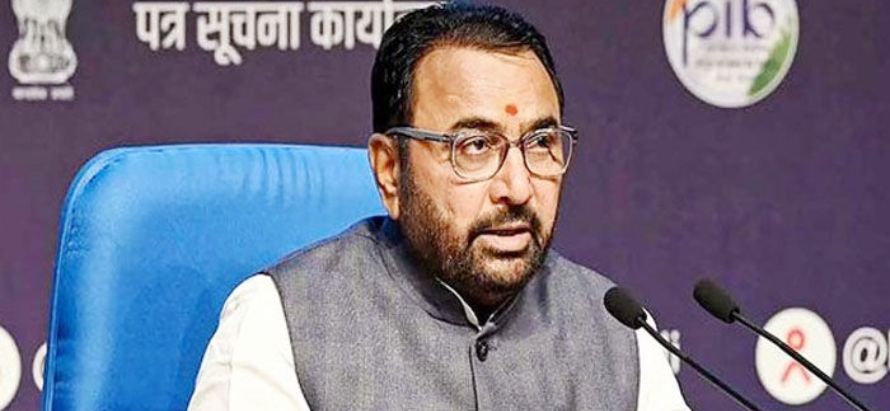
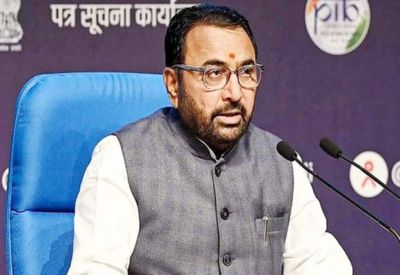
India’s Union Minister of State for Ayush has described this summit as a significant milestone in the global effort to bring traditional medicine into mainstream healthcare reinforcing trust in India’s medical systems and showcasing national research institutions that contribute to scientific credibility, regulatory frameworks and international cooperation on traditional health solutions. The event also anticipates the participation of heads of state and senior health officials to collectively chart future strategies for sustainable, culturally appropriate health systems.