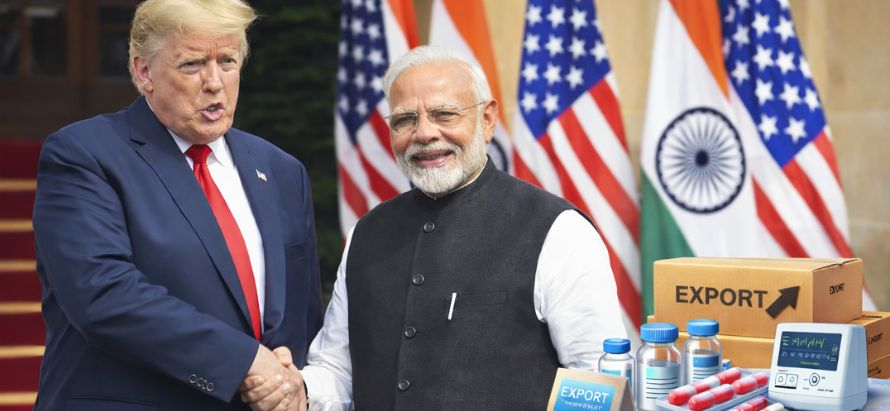
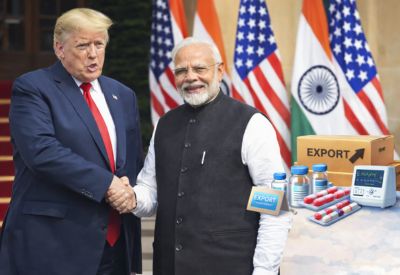
India’s pharmaceutical and medical device sectors are closely watching ongoing bilateral trade negotiations with the United States, with many stakeholders describing a potential deal as an “inflection point” for exports and global competitiveness. Senior industry leaders, speaking at multiple forums in January 2026, expressed optimism that a well-structured agreement could address long-standing barriers high tariffs, lengthy regulatory approvals, and non-tariff hurdles while unlocking significant growth opportunities in the world’s largest healthcare market.
India is already the largest supplier of generic medicines to the US, accounting for roughly 40–45% of generics by volume and contributing $25–27 billion annually in pharma exports. The medtech sector, though smaller, has shown rapid growth in exports of disposables, diagnostics, and surgical products. A trade deal could reduce or eliminate duties on many categories (currently ranging from 10–25% on devices and certain APIs), provide faster USFDA review pathways for Indian facilities, and establish mutual recognition agreements for quality inspections saving time and cost for manufacturers.
The proposed agreement is also expected to include provisions for intellectual property protections balanced with access to affordable medicines, greater cooperation on biosimilars and complex generics, and incentives for joint R&D and manufacturing. Indian industry bodies, including the Indian Pharmaceutical Alliance (IPA), Organisation of Pharmaceutical Producers of India (OPPI), and Association of Indian Medical Device Industry (AiMeD), have actively engaged in the talks, advocating for reduced tariffs, streamlined customs procedures, and protection against arbitrary non-tariff barriers.
Dilip Shanghvi, Chairman of Sun Pharma, described the negotiations as “a strategic opportunity” to deepen India’s role in global supply chains while ensuring continued access to affordable medicines for American patients. Rajiv Nath, Forum Coordinator of AiMeD, added that tariff cuts on medical devices would “dramatically improve competitiveness” for Indian manufacturers in segments like cardiology, orthopaedics, and diagnostics, potentially doubling medtech exports to the US within 3–5 years.
The US side has expressed interest in diversifying supply chains away from over-reliance on certain regions, with India positioned as a reliable, high-quality alternative. Both governments have indicated that a deal could be finalised in 2026–2027, subject to successful conclusion of technical discussions and political alignment.
Industry analysts view the proposed agreement as a win-win: India gains greater export access and manufacturing momentum, while the US secures a stable, cost-effective source of essential medicines and devices amid ongoing supply chain resilience concerns. The talks have also spurred increased investment in Indian facilities to meet USFDA standards ahead of any final deal.