Glimpse:
Originally envisioned as Apple’s first comprehensive AI health coaching service (internally called Health+), Mulberry analyzed data from iPhone, Apple Watch, and other sources to deliver personalized insights on sleep, activity, heart patterns, and more. After multiple postponements from initial targets around iOS 19 to iOS 26 and then iOS 27 the broader project was wound down in recent weeks. Apple now plans to introduce Mulberry-derived features incrementally within the Health app, including educational videos on medical conditions and wellness, plus suggestions based on user health data. The decision reflects a focus on speed, execution, and competitiveness amid rising rivals in AI-driven wellness tools.
Apple Inc. has decided to shelve its plans for a dedicated AI-powered virtual health coach, known internally as Project Mulberry, and instead repurpose key elements into its flagship Health app. According to reports from Bloomberg and other sources, the initiative once positioned as a major expansion of Apple’s health ecosystem was recently wound down following internal reviews and leadership transitions.
Mulberry aimed to function as a proactive AI companion, leveraging machine learning to process data from Apple devices (including heart rate, sleep cycles, activity levels, user surveys, health assessments, and even external lab reports) to generate tailored wellness recommendations and educational content. It was designed to offer personalized guidance on nutrition, exercise, and overall well-being, potentially as part of a premium subscription model. Development faced repeated delays, shifting from earlier expectations tied to iOS 19 updates to later versions like iOS 26 and iOS 27, as Apple navigated organizational changes and technical hurdles.
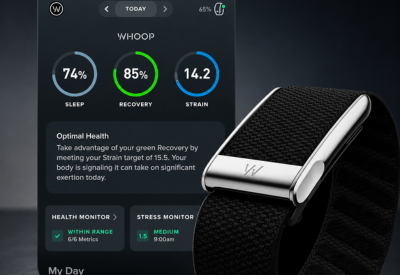
The pivot comes amid intensifying competition in the digital health space. Rivals such as Oura Health, Whoop, Samsung (with features like brain health detection), Strava, and even OpenAI’s ChatGPT Health have advanced AI-enabled coaching and insights, prompting Apple to reassess its approach. Services chief Eddy Cue, who took oversight of the health unit after Jeff Williams’ retirement last year, has emphasized the need to move faster and deliver more compelling experiences.
Rather than launching a standalone coach, Apple will integrate select Mulberry capabilities directly into the Health app. This includes health education videos produced by the company’s Oakland content studio covering medical conditions, wellness guidance, and training plans as well as data-based suggestions drawn from existing user metrics. These enhancements are expected to roll out incrementally later in 2026, building on recent Health app additions like sleep-apnea detection, hypertension notifications, and ongoing research into noninvasive glucose monitoring and iPhone-based gait analysis.
The move allows Apple to continue strengthening its device-centric health features while avoiding the complexities of a full AI coaching service launch. It maintains momentum in consumer wellness without overcommitting to a delayed, high-stakes project, ensuring incremental improvements that align with user privacy standards and ecosystem integration.