Glimpse:
The HolmesAI wearable uses advanced sensors and on-device AI to identify atrial fibrillation, ventricular tachycardia, bradycardia, and other arrhythmias in real time. It generates a daily cardiac risk score based on heart rate variability, activity patterns, sleep data, and historical trends, notifying users via app when risk thresholds are crossed. Validated in clinical pilots with sensitivity >92% for AFib detection, the platform supports integration with smartphones and telehealth services, targeting high-risk groups like those with hypertension, diabetes, or prior heart conditions. Available now in select markets, it offers a consumer-friendly alternative to hospital-grade monitoring.
HolmesAI, a rising player in AI-driven cardiac health, has introduced its flagship wearable platform built specifically for at-home detection of arrhythmias and prediction of elevated cardiac arrest risk. Unveiled in February 2026, the device targets the growing need for continuous, accessible heart monitoring outside clinical settings where most sudden cardiac arrests occur.
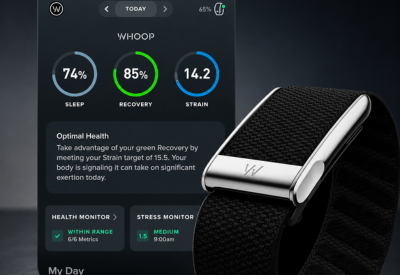
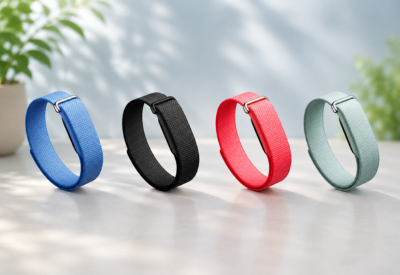
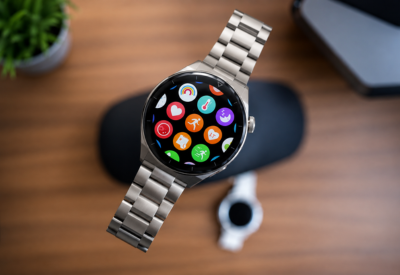
The lightweight, wrist-worn wearable features multi-lead ECG-equivalent sensing, photoplethysmography (PPG), accelerometers, and temperature sensors. On-device AI processes signals in real time to classify rhythms and flag abnormalities such as atrial fibrillation (AFib), premature ventricular contractions, supraventricular tachycardia, and pauses. When anomalies are detected, the system immediately alerts the user through vibrations, app notifications, and optional caregiver sharing.
A standout feature is the proprietary cardiac arrest risk prediction engine. It combines live physiological data with user-provided inputs (age, medical history, lifestyle factors) to deliver a daily risk score and trend analysis. The model draws from large-scale datasets and has shown strong performance in early validation studies, particularly for identifying subclinical changes that precede major events.
Key advantages include: No subscription required for core monitoring (optional premium features available) Battery life up to 7 days with wireless charging Privacy-first design most processing happens on-device, with encrypted cloud sync only when permitted Seamless sharing of reports with physicians via PDF or direct telehealth links
HolmesAI positions the platform as a bridge between consumer wearables and medical-grade tools, empowering individuals with known risk factors or family history to monitor proactively. Early adopters include cardiologists recommending it for post-discharge follow-up and high-risk outpatients.
As cardiovascular diseases remain a leading cause of death globally, this launch highlights the shift toward preventive, AI-enabled home monitoring that could save lives through earlier intervention.