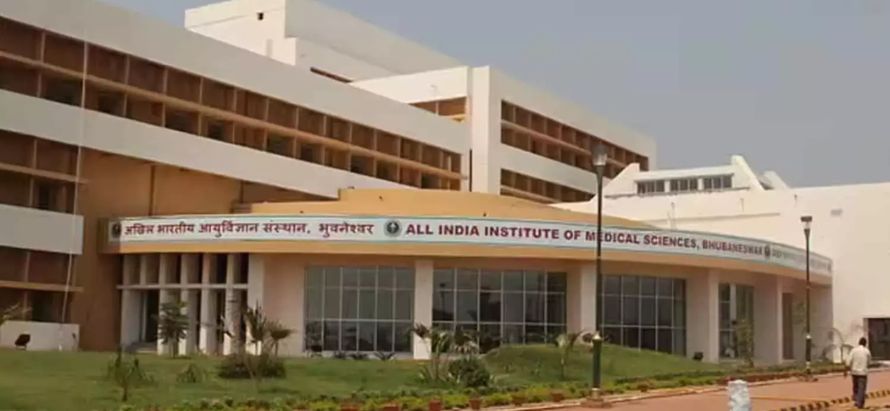
The All India Institute of Medical Sciences (AIIMS) Nagpur has launched a significant research study leveraging artificial intelligence to improve early detection of diseases that disproportionately affect Indian populations. The initiative, formally inaugurated on January 26, 2026, brings together clinicians, data scientists, and public health experts to build predictive models capable of identifying disease risk far earlier than traditional methods.
The study focuses on integrating routine clinical data demographics, symptoms, vital signs, basic lab investigations, and available imaging with advanced machine learning algorithms to detect subtle, preclinical signals of high-priority conditions including tuberculosis, diabetes-related complications (retinopathy, nephropathy), cardiovascular events, chronic kidney disease progression, and select cancers (oral, cervical, breast). By training models on large volumes of anonymised patient data from AIIMS Nagpur and collaborating centres, the team aims to uncover patterns invisible to the human eye or standard risk calculators.
Early retrospective analysis of historical cases has already demonstrated promising results: the AI models identified early tuberculosis markers (subtle chest X-ray changes, symptom clusters) with higher sensitivity than routine screening protocols, flagged rising diabetes complication risks months ahead of clinical thresholds, and predicted cardiovascular events with improved accuracy over conventional Framingham or QRISK scores when incorporating Indian specific risk factors.
The project emphasises explainability and fairness using techniques such as SHAP values to show which features drive predictions and conducting rigorous bias audits across age, gender, rural/urban divide, socioeconomic status, and regional diversity. All development adheres to ICMR ethical guidelines, with strict anonymisation and consent protocols for data usage.
“Many serious diseases progress silently in their early stages. Our AI models are designed to catch these silent signals from everyday clinical data turning routine visits into opportunities for prevention rather than late-stage treatment. This is especially critical in India, where late presentation remains a major challenge.”
The study will move into a prospective phase in 2026–2027, enrolling patients across primary care centres, community health clinics, and AIIMS OPDs to validate real world performance and measure impact on diagnostic timelines, treatment initiation, and patient outcomes. Successful validation could lead to integration into national screening programmes and ABDM workflows, enabling automated risk alerts for frontline health workers and primary care physicians.
The research is supported by funding from the Indian Council of Medical Research (ICMR) and Department of Biotechnology, with plans for multi-centre expansion involving other AIIMS institutions and state health departments.