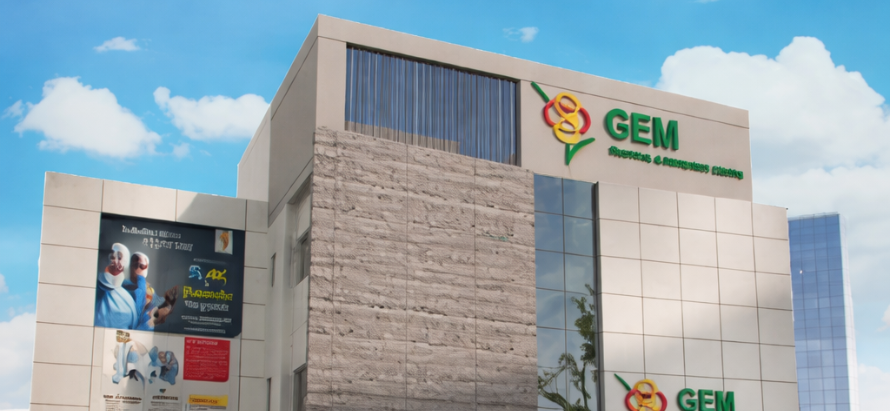
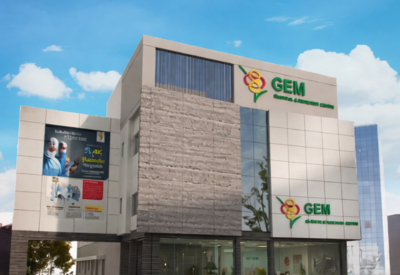
Chennai based GEM Hospital has achieved a major milestone by performing India’s first dual console long distance robotic telesurgery, enabling surgeons in different cities to collaborate in real time.
Glimpse:
Announced in April 2026, GEM Hospital successfully conducted a robotic telesurgery connecting Chennai and Vapi (Gujarat), nearly 1,500 km apart. Using a dual console robotic system, two surgeons operated simultaneously on a patient with gastroesophageal reflux disease (GERD). The procedure highlights the potential of advanced robotics and connectivity in transforming access to specialized surgical care.
In a groundbreaking advancement for Indian healthcare, GEM Hospital in Chennai has successfully performed the country’s first dual console long-distance robotic telesurgery, marking a significant leap in digital and remote surgical capabilities.
The procedure was conducted on a 23-year old patient suffering from gastroesophageal reflux disease (GERD). What makes this surgery unique is that it involved two surgeons operating simultaneously from different locations one in Chennai and the other in Vapi, Gujarat approximately 1,500 km apart.
The surgery utilized an advanced robotic system equipped with dual consoles, allowing real time collaboration between surgeons. This setup enabled precise coordination, enhanced control, and improved safety compared to traditional single console telesurgery approaches.
A critical component of the success was high speed, low latency connectivity, which ensured seamless communication and accurate execution of surgical movements. The system also allowed visual synchronization, enabling both surgeons to operate with complete situational awareness.
The procedure was performed using the indigenously developed Mizzo Endo 4000 robotic platform by Meril Life Sciences, showcasing India’s growing capabilities in advanced medical technology and surgical robotics.
Experts believe this milestone could transform healthcare delivery by enabling specialists in urban centres to perform complex surgeries for patients in remote or underserved regions. It also opens new possibilities for collaborative surgeries and real time surgical training across locations.
While challenges such as infrastructure costs, connectivity requirements, and cybersecurity remain, this achievement demonstrates the future potential of telesurgery in improving accessibility, reducing healthcare disparities, and enhancing surgical outcomes.