Researchers at the Indian Institute of Science have developed a biodegradable stent that dissolves inside the body, helping liver transplant patients avoid follow up surgeries and improving recovery outcomes.
Glimpse:
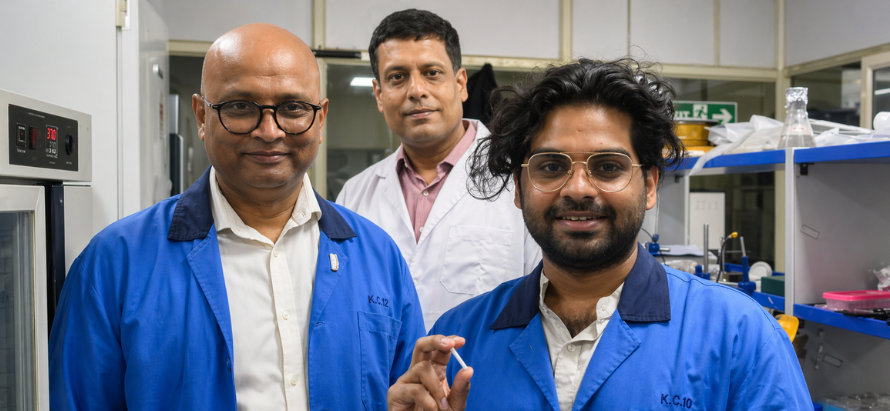
Announced in April 2026, IISc scientists, in collaboration with clinicians from Aster CMI Hospital, developed the “Asthana Stent,” a biodegradable bile duct stent made from polydioxanone (PDS). The device remains effective for about six weeks before naturally dissolving, eliminating the need for surgical removal.
In a major advancement in post transplant care, researchers from the Indian Institute of Science, working with liver transplant specialists, have developed a biodegradable dissolving stent designed to improve recovery after liver transplant surgeries.
The innovation, known as the Asthana Stent, is specifically designed to support healing of the bile duct a critical component in liver transplant procedures where complications such as leakage or narrowing are common. Traditionally, patients require a second invasive procedure to remove conventional stents after healing, increasing risk, cost, and discomfort.
The newly developed stent is made from polydioxanone (PDS), a biodegradable polymer widely used in dissolvable surgical sutures. Once implanted, the stent maintains structural integrity for approximately six weeks, which aligns with the key healing period, and then gradually dissolves inside the body removing the need for follow up surgery.
To ensure safety and effectiveness, the stent has been engineered with features such as surface ridges and hooks to prevent displacement, along with radiopaque markers that allow doctors to monitor its position using imaging techniques.
The device has undergone laboratory testing and is currently progressing toward regulatory approval by the Central Drugs Standard Control Organization (CDSCO). It has also been licensed to an industry partner for manufacturing, signaling a move from research to real world clinical use.
Experts believe this innovation could significantly reduce complications, lower healthcare costs, and improve patient comfort, especially in complex surgeries like liver transplants where repeat interventions are common.
Overall, the development reflects a growing trend in medtech toward bioabsorbable implants, which combine engineering and clinical insights to deliver safer, less invasive treatment solutions.